E-Bike Display Shows Error Code: What It Means and How to Fix It
E-Bike Display Shows Error Code: What It Means and How to Fix It
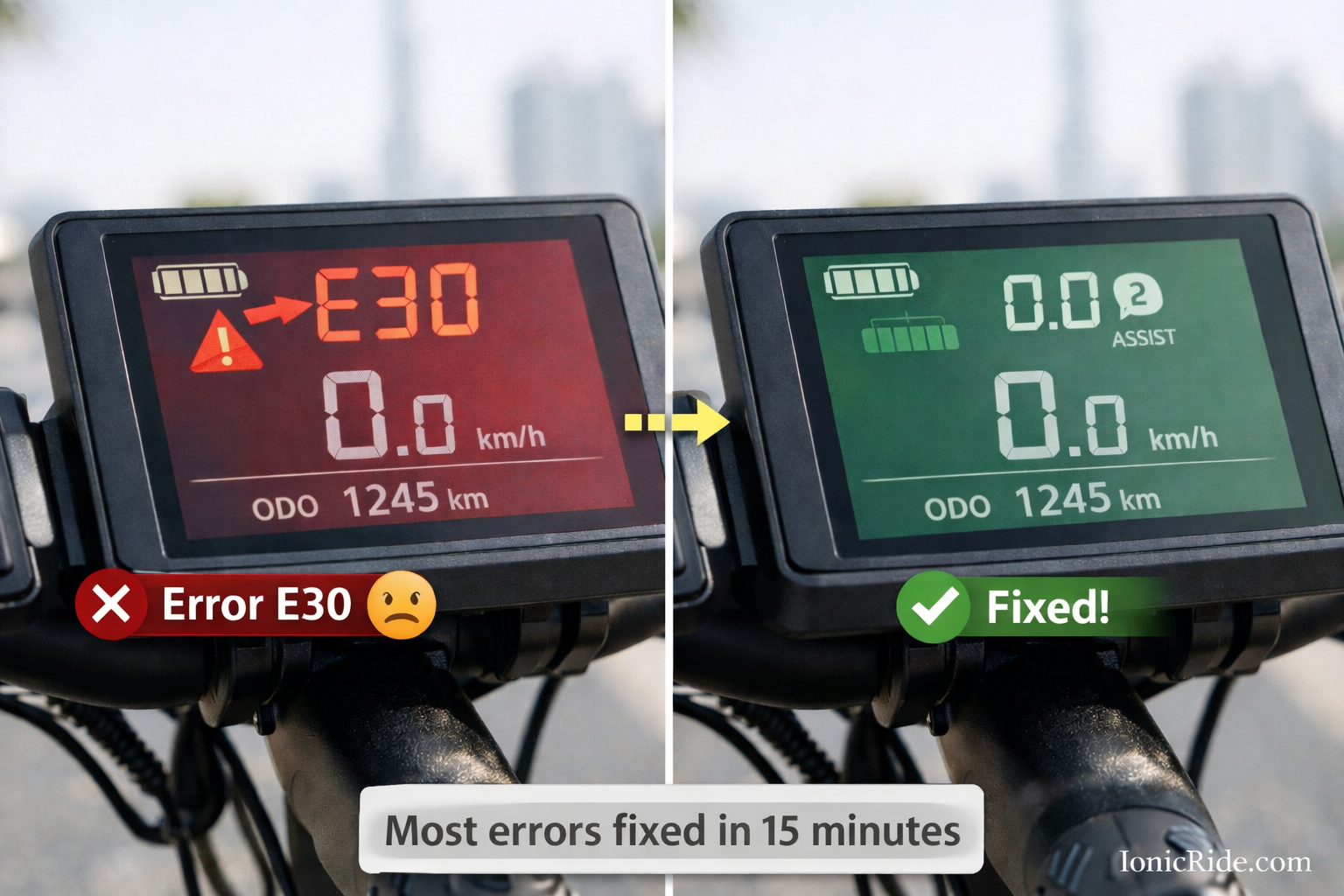
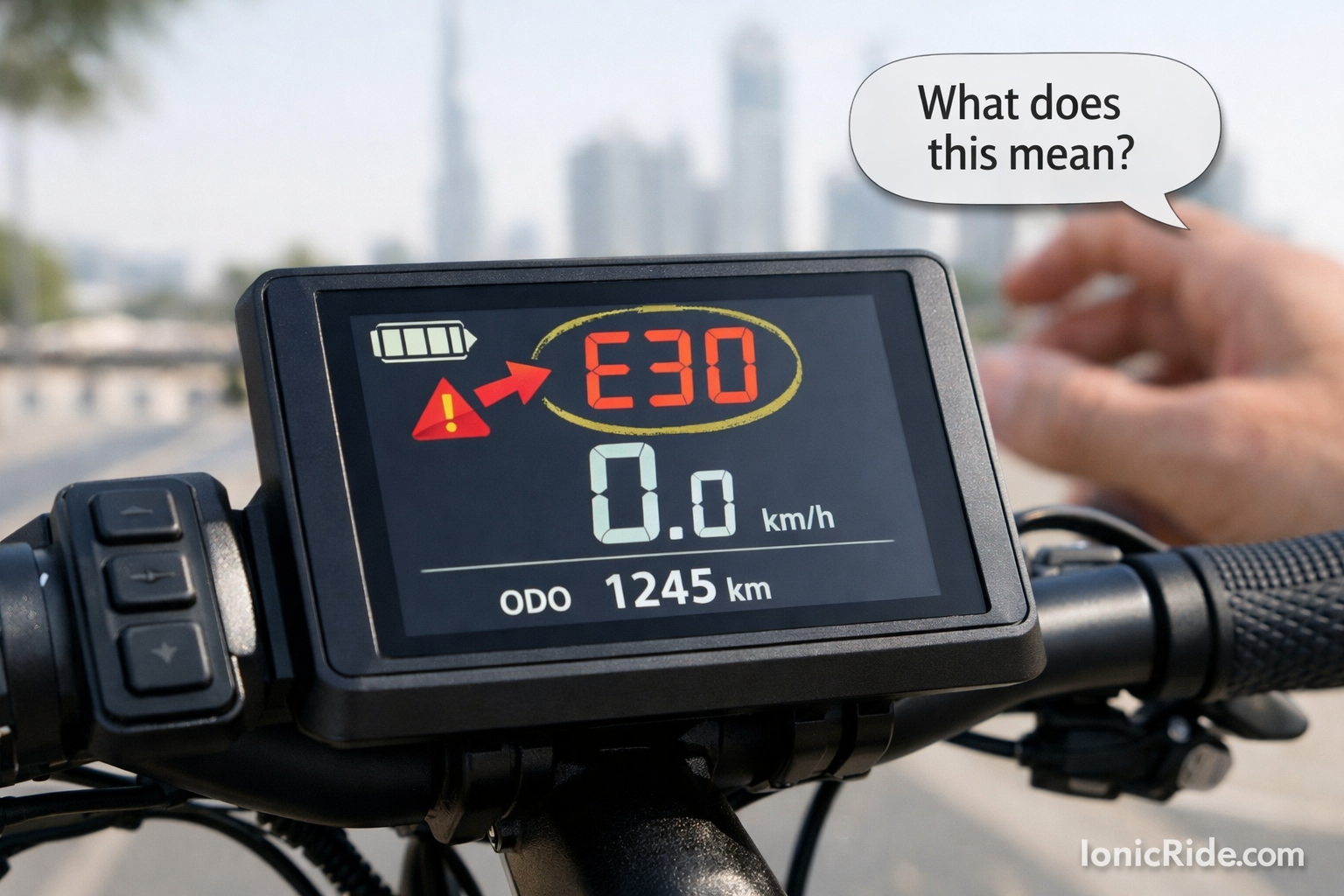
Customer came in last week, phone in hand, showing me a photo: “My display says E30. What does that mean? Can I still ride it?”
Error codes are your e-bike’s way of telling you something’s wrong. Some are minor — a loose wire, a sensor that needs realignment. Others mean a component has failed and needs replacement.
Most e-bike manuals list error codes but don’t explain what they actually mean or what you should do about them. Here’s what we’ve learned from diagnosing hundreds of these in the shop.
Before you panic: Do this first
Before you start Googling your specific error code or ordering replacement parts, try this:
- Turn it off and on again: Power down completely. Wait 30 seconds. Turn it back on. This clears temporary glitches in the controller.
- Check the battery: Remove it from the mount, inspect the contacts for dirt or corrosion, reinsert it firmly until you hear a click, make sure it’s charged above 20%.
- Inspect all visible wire connections: Check where the display cable connects to the main harness, where the motor cable enters the controller, throttle connections, brake sensor connections. Look for loose plugs, damaged insulation, or corrosion.
- Look for obvious damage: Did you crash recently? Did the bike get soaked in a storm? Did you modify anything?
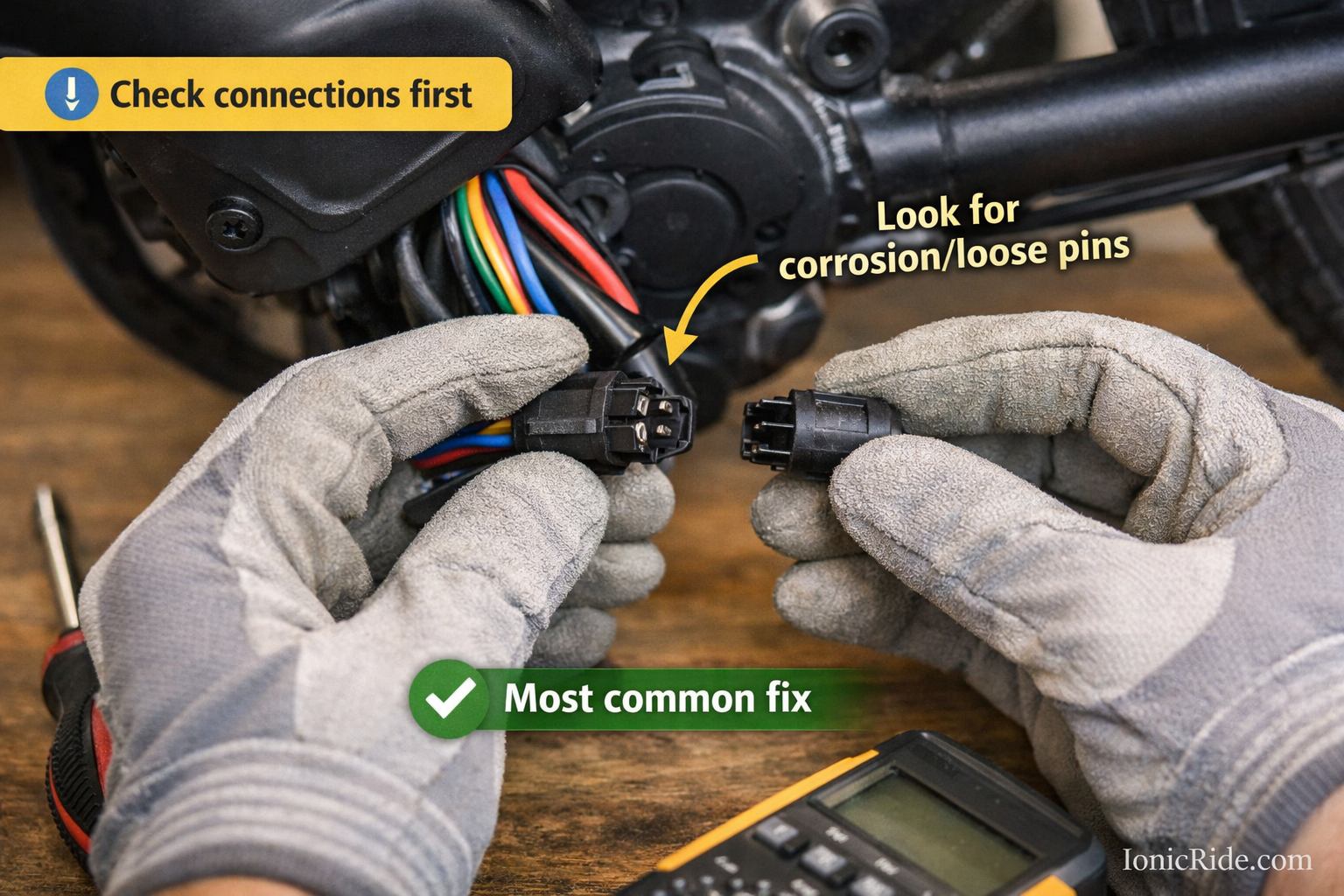
If the error clears after this, great. If it comes back immediately or persists, move on to specific diagnostics.
Understanding error code categories
E-bike error codes fall into a few main categories. Knowing which category your error belongs to helps you diagnose faster.
Communication errors (E10, E11, E30, E001, E002, E004)
These mean the “brain” (controller) can’t talk to another component — usually the display, motor, or battery.
Common causes:
- Loose or unplugged cables
- Corroded connectors (especially if you ride in rain or near the coast)
- Damaged wiring from rubbing against the frame
- Faulty display or controller
First steps: Check every visible connection. Unplug and replug each connector firmly. Inspect for water damage or corrosion (green or white buildup on pins).
Motor and sensor errors (E07, E08, E09, E21, E22, E23, E24)
These relate to the motor itself or the sensors that tell the motor how to behave (Hall sensors, speed sensors).
Common causes:
- Motor phase wire damage (the three thick colored wires from motor to controller)
- Hall sensor failure inside the motor
- Speed sensor misalignment (the magnet on your spoke moved)
- Throttle connection issues
First steps: Check motor cable connections. Check if the spoke magnet is aligned with the speed sensor (usually on the left chainstay). Test the throttle.
Battery and power errors (E06, 006, E09, 009, 048)
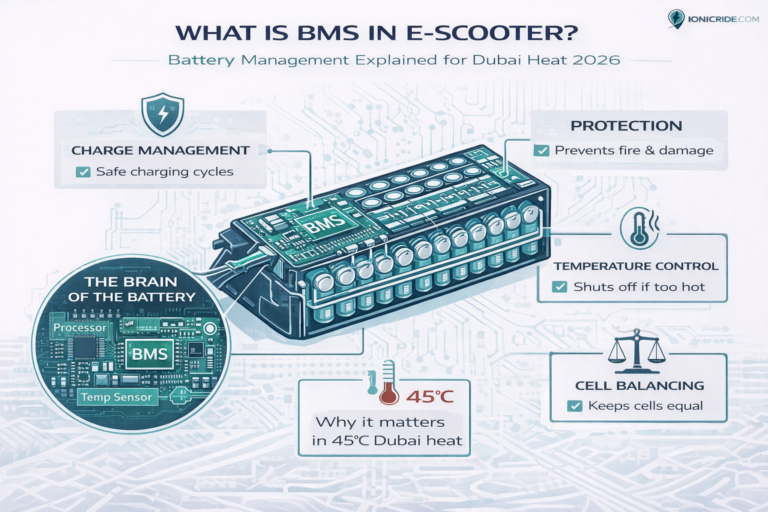
These indicate problems with power supply — usually low voltage, overcurrent, or battery management system (BMS) issues.
Common causes:
- Battery voltage too low (needs charging or battery is dying)
- BMS protection triggered (overheating, short circuit, cell imbalance)
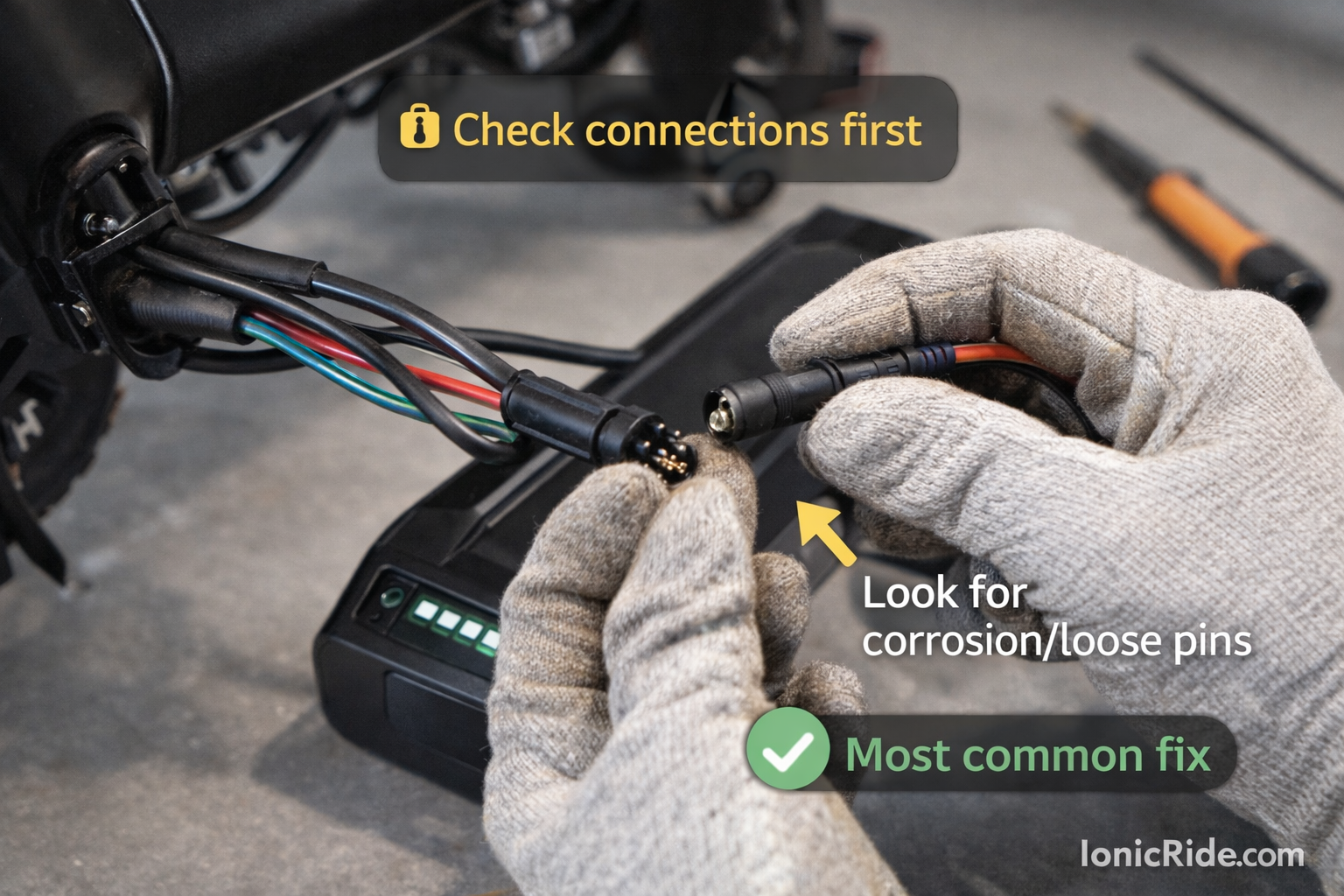
- Battery connector damage
- Excessive current draw (usually a controller or motor issue causing this)
First steps: Charge the battery fully. Check battery voltage with a multimeter if you have one (36V battery should read 40-42V when full, 48V should read 53-54V). Inspect battery connectors for damage.
Controller errors (E08, E21, E37)
These indicate the controller itself has an internal fault.
Common causes:
- Controller overheating (riding in extreme heat, pushing the motor too hard uphill)
- Internal component failure
- Water damage to controller
- Incompatible components (wrong motor for that controller)
First steps: Let the bike cool down if it overheated. Check for water damage. If error persists, controller likely needs replacement.
Common error codes: What they mean and how to fix them
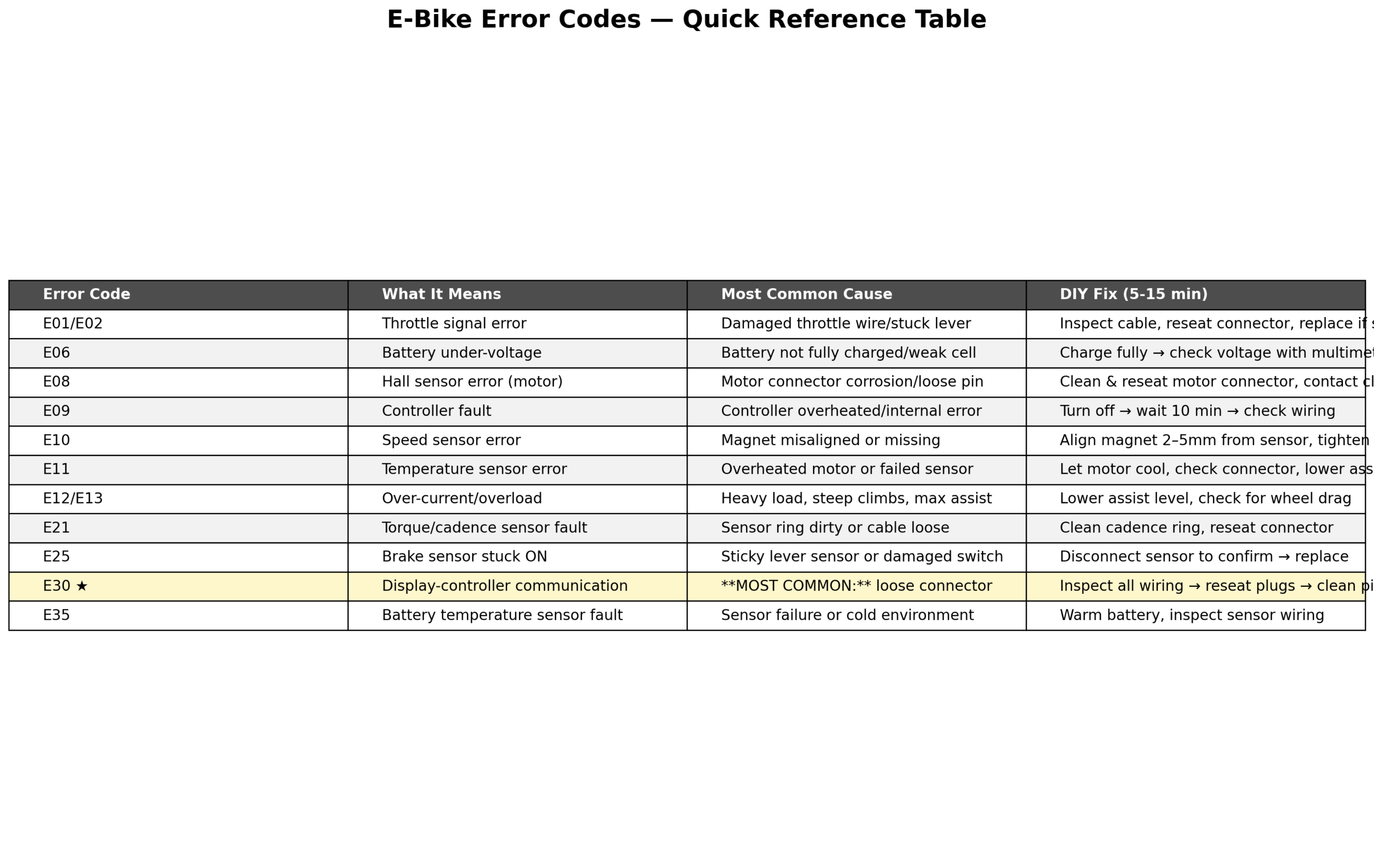
Here are the most common codes we see. Note that different brands sometimes use different numbers for the same issue, so I’ve grouped related codes together.
E30 / 030 — Communication failure between display and controller
What it means: Your display can’t talk to the controller. Motor usually won’t work.
Check this:
- Display cable connection (where it plugs into the main harness near the headset or down tube)
- Look for pinched or damaged wires where the cable exits the display mount
- Water damage inside display housing or connector
Can you fix it? Often yes, if it’s just a loose connection. If the display or cable is damaged, you’ll need a replacement. Displays are usually cheaper than controllers (100-300 AED vs 300-800 AED).
Can you ride it? No. Motor won’t engage without display-controller communication.
E10 / E11 / 010 / 011 / E001 / E002 — General communication errors
What it means: Similar to E30, but can involve multiple components. E10/E11 often mean communication between controller and motor. E001 usually means display not receiving data from controller, E002 means controller not receiving data from display.
Check this:
- Every cable connection — display, motor, battery, throttle, brake sensors
- The main wiring harness for damage or water intrusion
- Battery properly seated and locked
Can you fix it? Sometimes. If it’s a loose cable, yes. If it’s internal wiring damage or a controller issue, probably not without replacing components.
E06 / E09 / 006 / 009 / 048 — Battery voltage low or abnormal
What it means: Battery voltage has dropped below safe operating level, or the BMS detected a problem and cut power.
Check this:
- Charge the battery. If it’s below 20%, this error is normal.
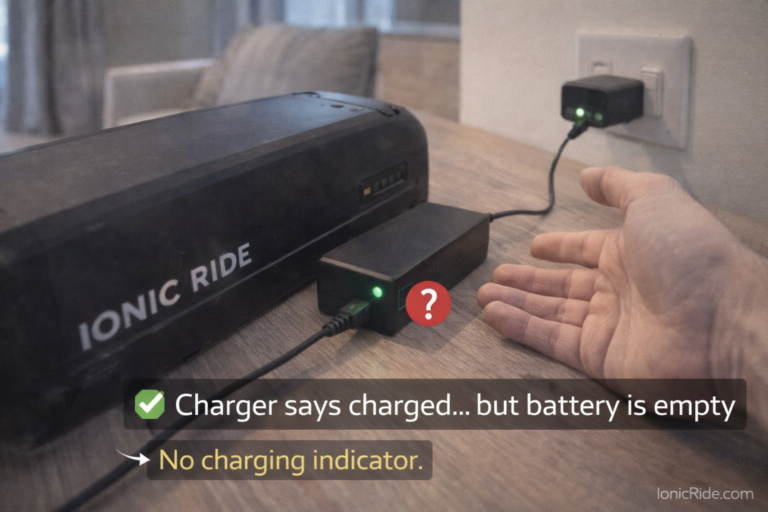
- If battery is “fully charged” but still shows this error, your battery cells are imbalanced or dying
- Check battery connector for damage or corrosion
- If error appears only under load (when you accelerate), battery can’t deliver sufficient current — sign of a failing battery
Can you fix it? If it’s just low charge, yes — charge it. If the battery itself is failing, you need a new battery. See our guide on diagnosing battery charging issues. In Dubai’s heat, batteries typically last 1.5-3 years depending on usage and storage. Learn more about how Dubai heat affects battery lifespan..
Can you ride it? Sometimes at reduced power. The system may allow you to limp home slowly. Don’t push it hard.
E21 / 021 — Current abnormality / Overcurrent
What it means: Controller is drawing too much current. This usually indicates a controller or motor problem.
Check this:
- Controller overheating (common if you’ve been climbing steep hills or riding in 45°C heat)
- Motor or controller mismatch (if you recently upgraded the motor with a stock controller)
- Short circuit in motor phase wires
- Controller internal failure
Can you fix it? If it’s overheating, let it cool down for 20-30 minutes and try again. If error persists, controller likely needs replacement. Not a DIY fix unless you’re comfortable with electronics.
Can you ride it? No. The system shuts down to prevent damage.
E07 / E08 / 007 / 008 — Motor or controller fault
What it means: E07 usually indicates motor issues. E08 typically means controller internal fault.
Check this:
- Motor cable connection (usually under the right pedal area where the motor cable exits the frame)
- Phase wires (the three thick wires — usually yellow, green, blue or red, yellow, blue — connecting motor to controller)
- Hall sensor wires (thinner wires, usually 5 wires in a single connector)
- For E08: controller overheating or internal damage
Can you fix it? If it’s a loose connection, maybe. If phase wires are damaged, you need a new cable set. If Hall sensors failed or controller is internally damaged, you need professional repair or replacement.
Can you ride it? Usually no. Motor won’t engage. Similar symptoms covered in our motor cutting out troubleshooting guide. Usually no. Motor won’t engage.
E22 / 022 — Throttle connection error
What it means: Throttle isn’t responding or has a faulty connection.
Check this:
- Throttle cable connection (usually near the handlebars)
- Throttle connector pins for damage or corrosion
- Internal throttle damage (magnets dislodged from a crash)
Can you fix it? If it’s a loose connection, yes. If the throttle is damaged, replacement throttles are cheap (50-150 AED).
Can you ride it? Yes, if your bike has pedal assist. You just won’t have throttle control.
E23 / E24 / 023 / 024 — Motor connection error / Hall sensor error
What it means: E23 usually means motor connection cable is damaged or disconnected. E24 specifically indicates Hall sensor failure (sensors inside the motor that tell the controller rotor position).
Check this:
- Motor cable where it exits the axle and connects to the frame wiring
- Look for damage from bike falling over, cable rubbing, or water intrusion
- For E24: Hall sensors are inside the motor — not easily accessible without opening the motor
Can you fix it? Cable damage sometimes repairable if you’re handy with a soldering iron. Hall sensor failure requires motor disassembly or replacement.
Can you ride it? No. Motor won’t function without Hall sensors.
E02 / 002 — Brake sensor error
What it means: The electronic brake sensors (which cut motor power when you brake) are triggered or malfunctioning.
Check this:
- Brake sensor alignment (usually magnetic sensors near the brake levers)
- Brake lever pulled or adjusted too close to the handlebar (sensor thinks you’re braking)
- Brake sensor connector loose or damaged
Can you fix it? Usually yes. Adjust brake lever position, check sensor alignment, check connections.
Can you ride it? Usually no — the system thinks you’re braking so it cuts motor power.
W011 / E503 / 503 — Speed sensor error
What it means: Speed sensor can’t detect wheel speed. Common on bikes with external speed sensors (magnet on spoke).
Check this:
- Spoke magnet alignment with sensor (should pass within 5mm of sensor)
- Magnet came loose or fell off
- Sensor mounting loose or damaged
- For Bosch systems specifically: 503 can also indicate attempted speed sensor tampering
Can you fix it? Yes, usually. Realign or replace the spoke magnet (cheap — 10-20 AED).
Can you ride it? Often yes, but the system may limit speed or power without accurate speed readings.
Brand-specific error codes
Some brands use their own error code systems. Here are the most common ones in the UAE market:
Bosch systems
Bosch uses numeric codes. Most common:
- 503: Speed sensor error (see above)
- 410: Internal motor error (needs dealer diagnosis)
- 430: Battery communication error
- 490: Internal electronics error (usually requires motor replacement)
Bosch systems usually require dealer-level diagnostics and software updates. Not much you can do yourself beyond checking connections.
Bafang systems
Bafang is common on budget UAE bikes. They use the generic E-codes listed above (E07, E08, E21, etc.).
Bafang components are modular and relatively easy to replace. Most local shops can work on them.
Shimano Steps
Shimano uses “W” codes for warnings and “E” codes for errors:
- W103: Low battery (charge it)
- E010: Motor error (dealer diagnosis needed)
- E011: Internal communication error
Like Bosch, Shimano systems often need dealer-level tools for proper diagnosis.
What to do when you see an error code
Here’s the honest diagnostic process we follow:
- Run the universal checklist: Turn it off and on. Check battery. Check all visible connections. This fixes about 30% of cases.
- Search the specific error code: Look up the code for that brand/model. Check manufacturer documentation.
- Test components systematically: Start with the cheapest/easiest to test. Display → cables → sensors → controller → motor → battery (in roughly that order).
- Swap known-good components: If we have a spare display/controller/throttle, we swap it in to isolate the problem.
- Accept when it’s beyond us: Some issues — especially with proprietary systems like Bosch or Shimano — require dealer diagnostics or manufacturer replacement.
The key is elimination. You start with the simple, cheap stuff and work toward the expensive, complicated stuff.
A lot of forum advice says “error code X means bad controller, replace it.” This is often wrong. Controllers fail less often than people think. Loose connections, damaged cables, and failed sensors are way more common. Replace the controller only after you’ve eliminated everything else.
When to fix it yourself vs when to get help
You can probably fix yourself:
- Loose or unplugged connections
- Dirty or corroded connectors (clean with contact cleaner)
- Misaligned speed sensor or spoke magnet
- Simple throttle replacement
- Brake sensor adjustment
You probably need help:
- Internal motor failures (Hall sensors, phase wire damage inside motor)
- Controller replacement (not hard technically, but you need the exact replacement and programming knowledge)
- Battery BMS issues or cell replacement
- Proprietary systems (Bosch, Shimano, etc.) — these MUST go to authorized dealers
- Wiring harness damage inside the frame (pain to access)
Controllers and batteries involve high voltage and current. Connecting things wrong can cause fires, destroy components, or injure you. If you’re not confident working with electronics, pay someone who is.
Preventing error codes
Most error codes come from one of three things: water damage, overheating, or loose connections.
You can’t eliminate errors completely, but you can reduce them:
- Protect connectors from water: Use dielectric grease on all electrical connectors. Consider silicone tape over connectors if you ride in rain.
- Don’t overheat components: In Dubai’s heat, avoid long steep climbs at full power. Let the motor cool down periodically.
- Check connections periodically: Every few months, inspect all visible connectors for tightness and corrosion. Especially after riding in rain or near the beach.
- Store properly: Don’t leave your e-bike outside in 50°C heat for hours. Controllers and batteries hate extreme heat.
- Don’t modify without understanding: Upgrading to a higher-power motor without upgrading the controller causes overcurrent errors. Mismatched components = problems.
Error codes that won’t clear: Now what?
If you’ve tried everything and the error won’t clear:
- Document everything: Take photos of the error code, note when it appears (constantly? only under load? only when accelerating?), video of the issue if possible.
- Check your warranty: If the bike is under warranty, don’t attempt repairs yourself — you’ll void it. Contact the seller/manufacturer.
- Find a qualified shop: Look for shops that specialize in e-bikes, not just regular bikes. Ask if they work on your specific brand/system.
- Get a quote before authorizing repairs: Some errors mean expensive repairs (new motor, new controller, new battery). Make sure the repair cost makes sense compared to the bike’s value.
For cheap bikes (under 2,000 AED), sometimes the repair cost exceeds the bike’s value. You have to decide if it’s worth fixing.
One more thing: Ghost errors
Sometimes you’ll get an error code that appears once and never comes back.
This happens. Could be a temporary voltage dip, a momentary loose connection that reseated itself, or a one-time glitch.
If the error appeared once and hasn’t returned, note it but don’t obsess over it. If it comes back repeatedly, then diagnose.
What we tell customers
When someone brings in a bike with an error code:
First, we run the basic checklist. 30% of errors clear immediately.
Second, we tell them what the code likely means and what the best/worst-case scenarios are. “E30 usually means display or cable issue, probably 100-300 AED fix. Could be controller, which is 500-800 AED. Let’s diagnose before we commit.”
Third, we’re honest about what’s fixable and what’s not. If you have a 1,500 AED bike with a dead controller that costs 600 AED to replace, we’ll tell you it might not be worth it.
Error codes are annoying, but they exist for a reason. They prevent you from damaging the bike further. When your display shows E30, it’s not being difficult — it’s saying “something’s wrong, please don’t make it worse.”
Listen to your bike. Fix what you can. Get help for what you can’t. Don’t ignore persistent errors.