
Find the exact
electric ride for you.
Verified specifications and current UAE retail prices. Compare every scooter and e-bike we track — filter by price, range and speed, then buy with confidence.
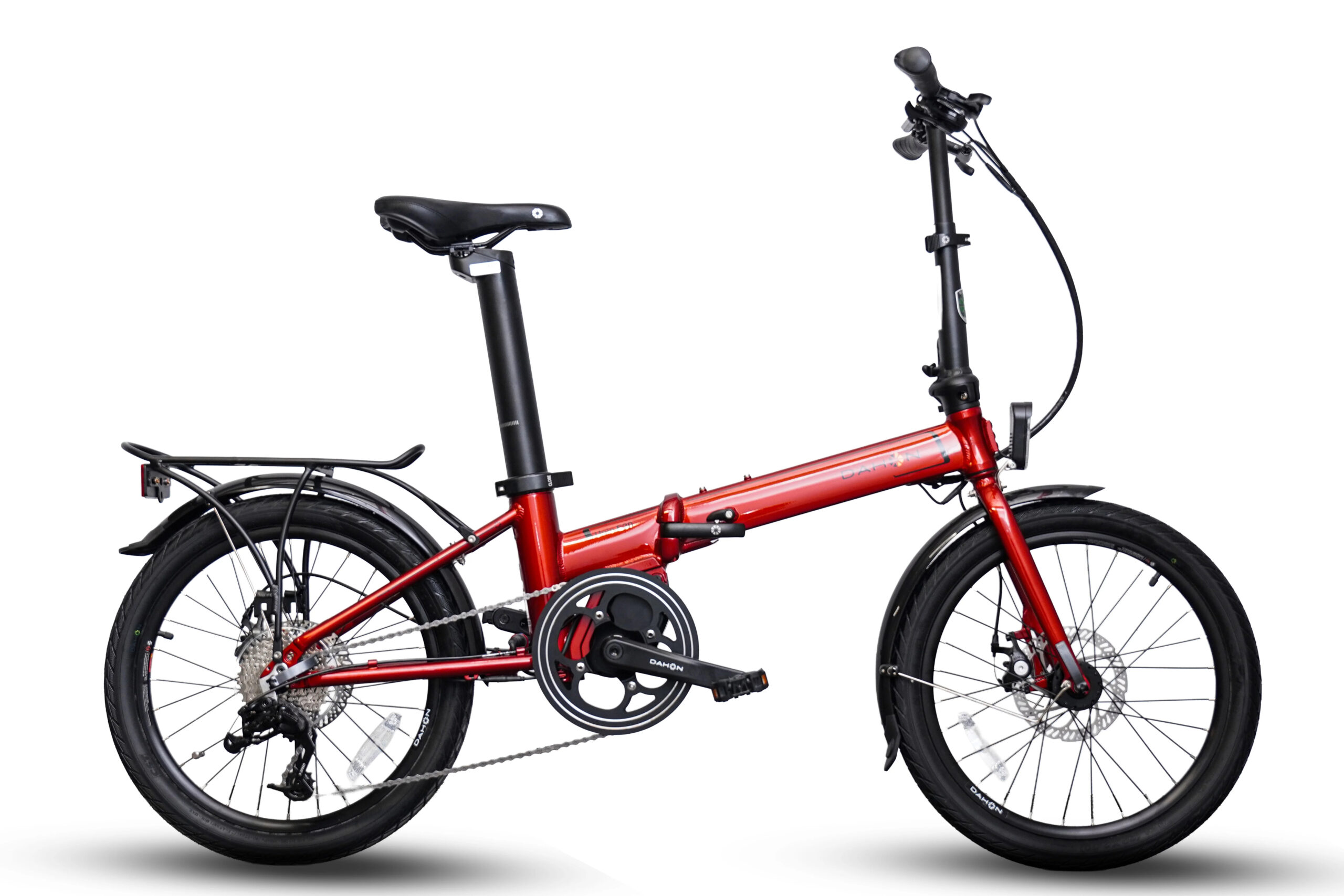
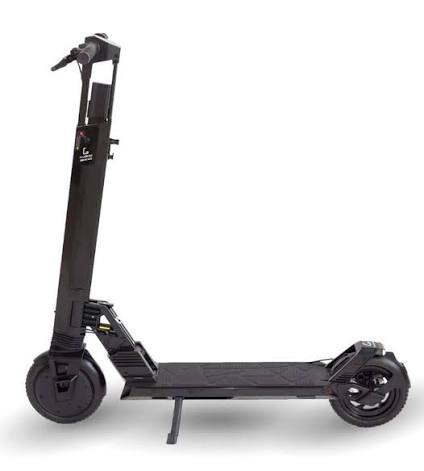
Dahon Unio E20
Electric ride reviews
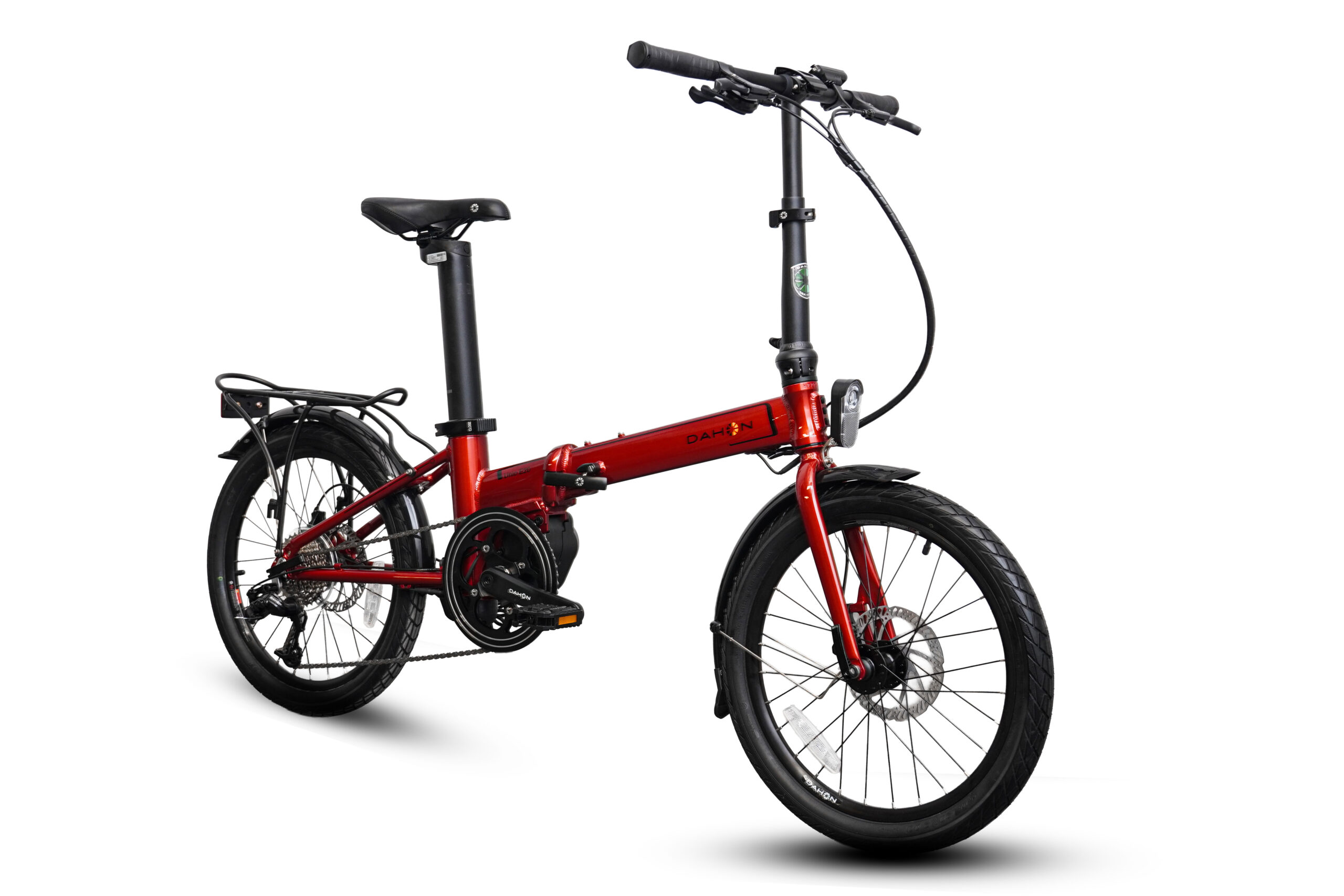
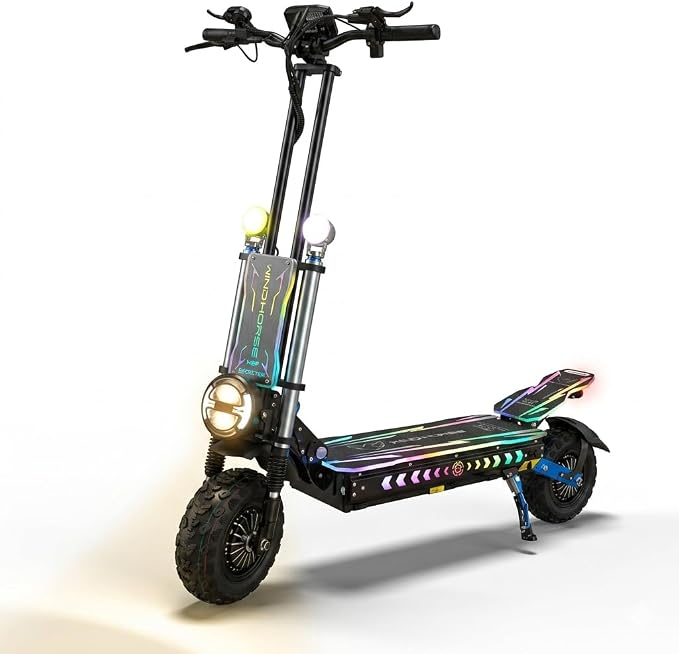
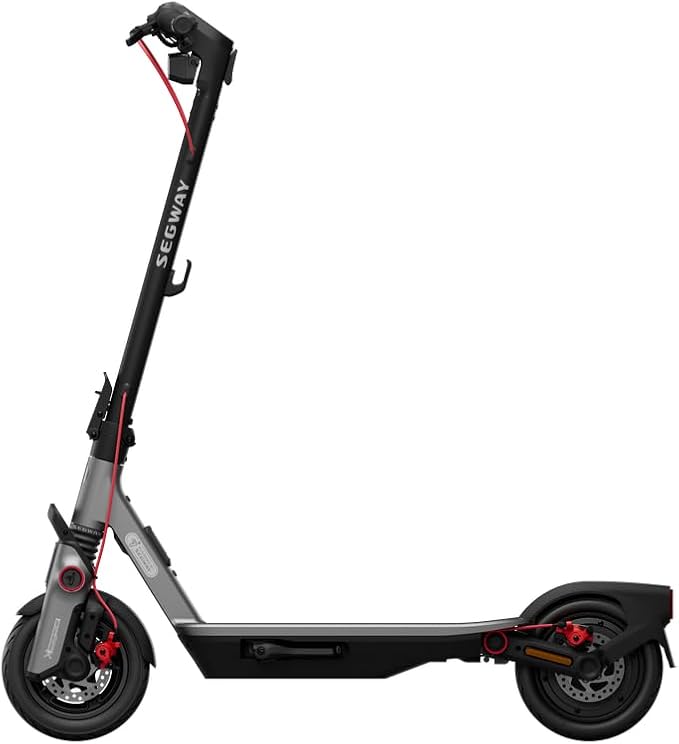
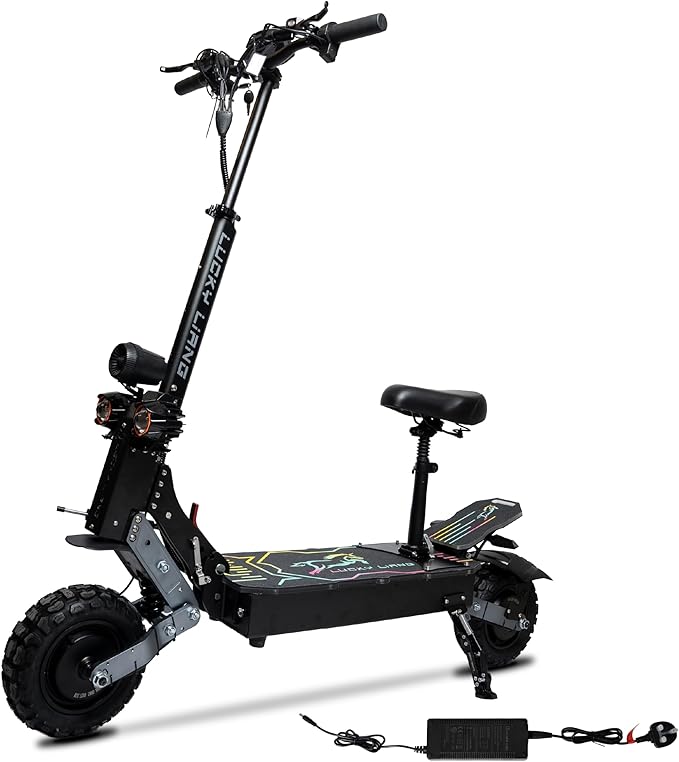
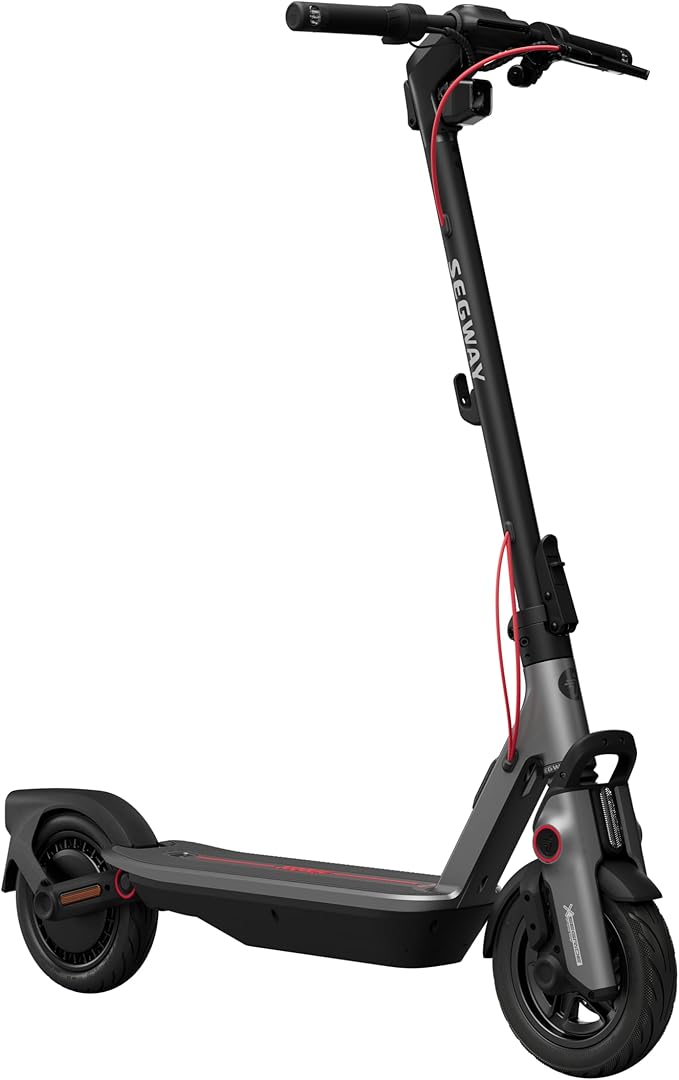
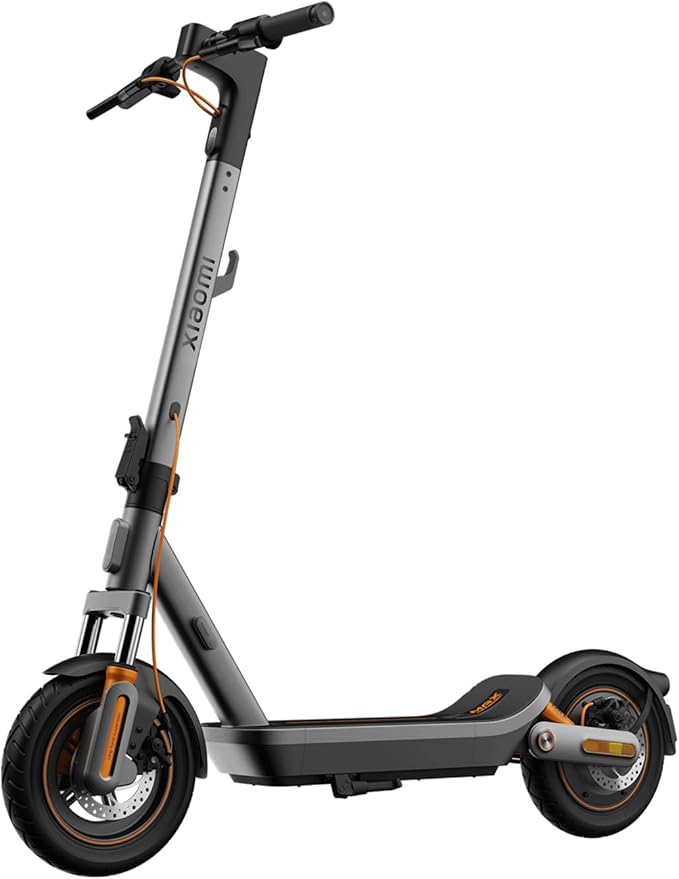
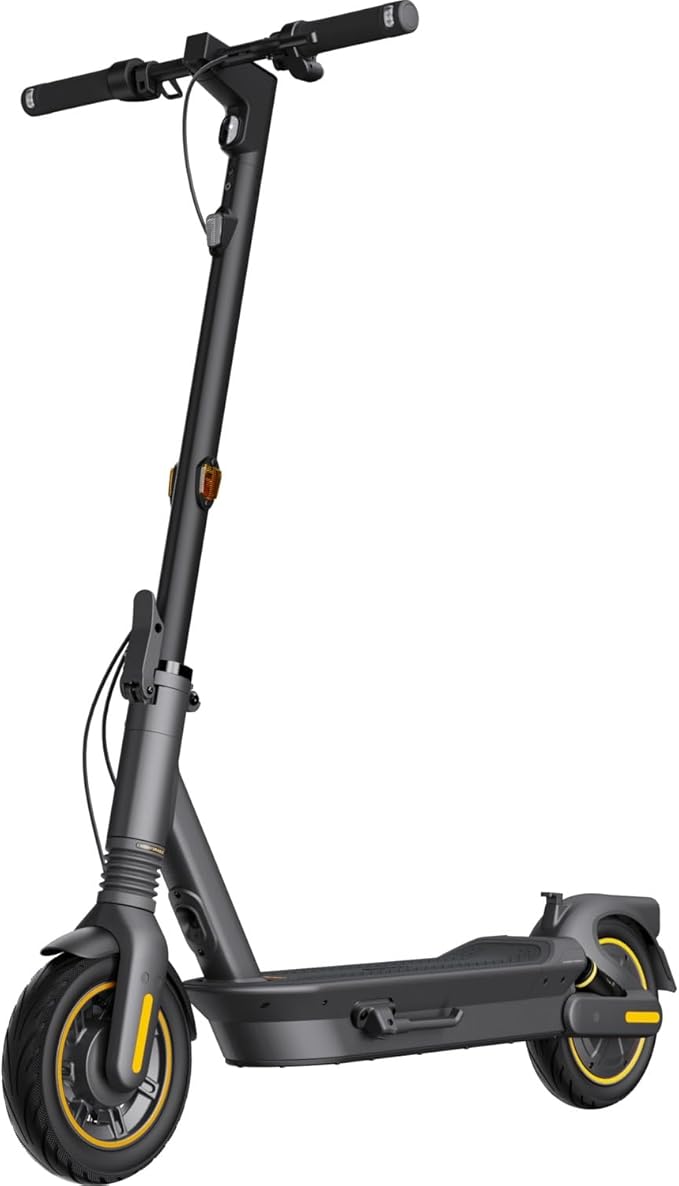
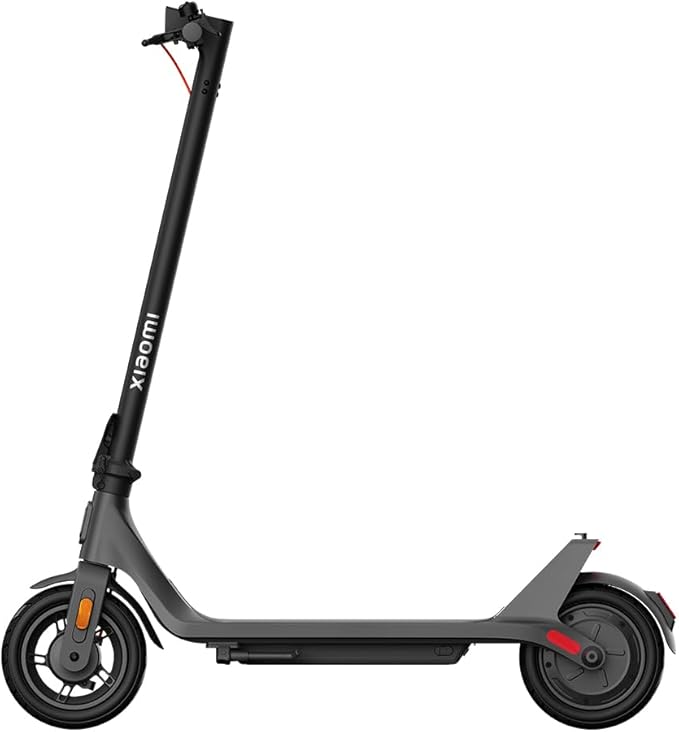
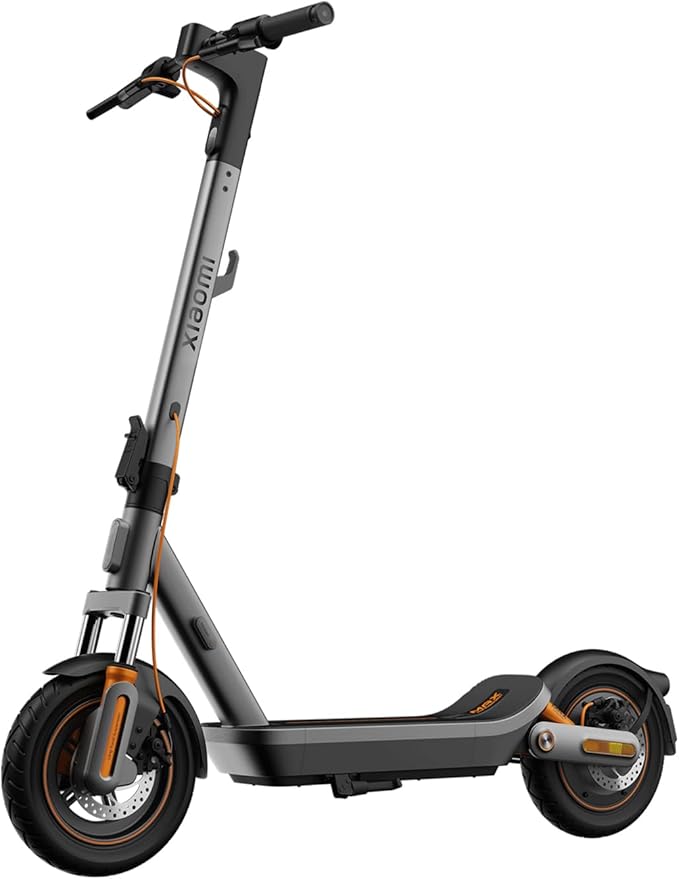 Xiaomi Electric Scooter 6 Max
E-Scooter · Premium commuter
Xiaomi Electric Scooter 6 Max
E-Scooter · Premium commuter
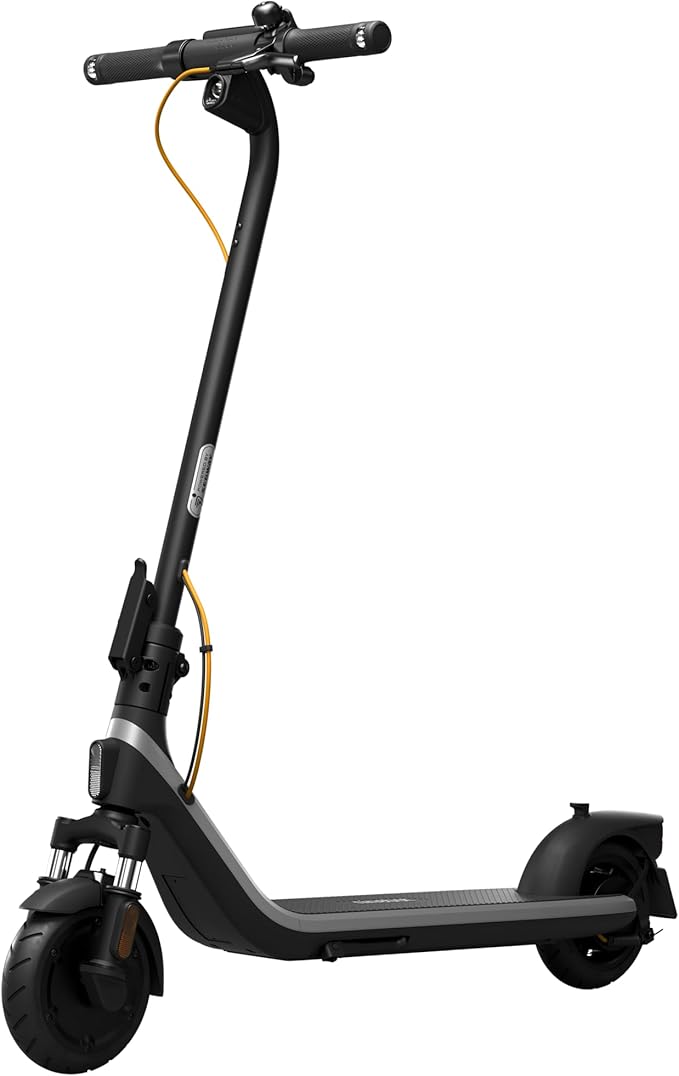
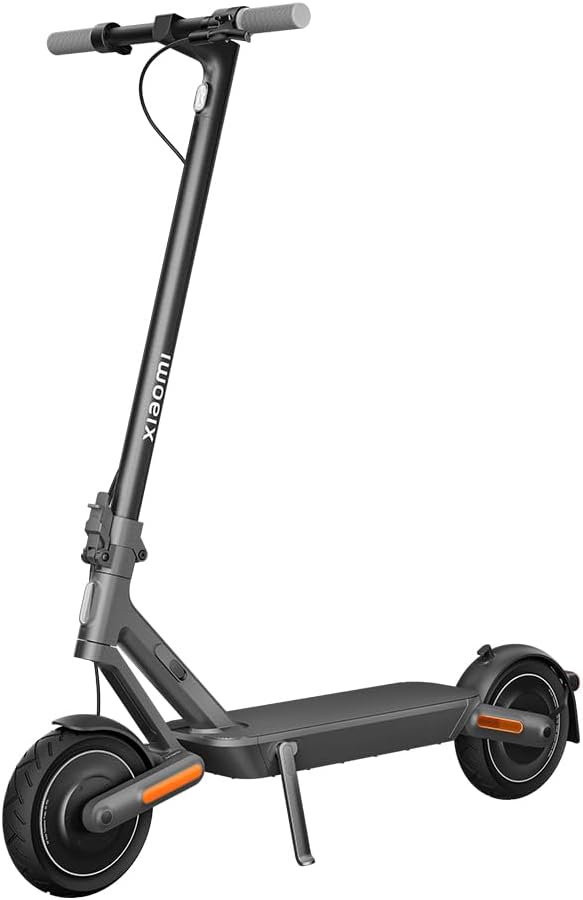
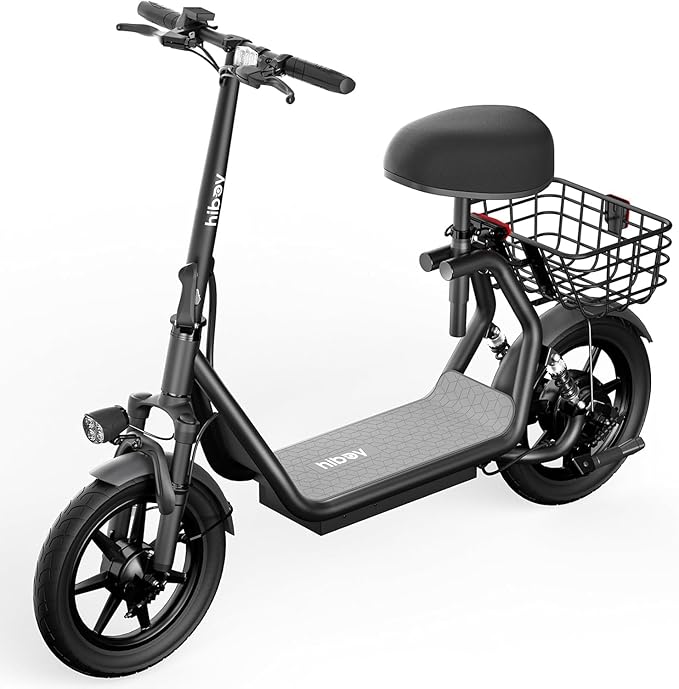
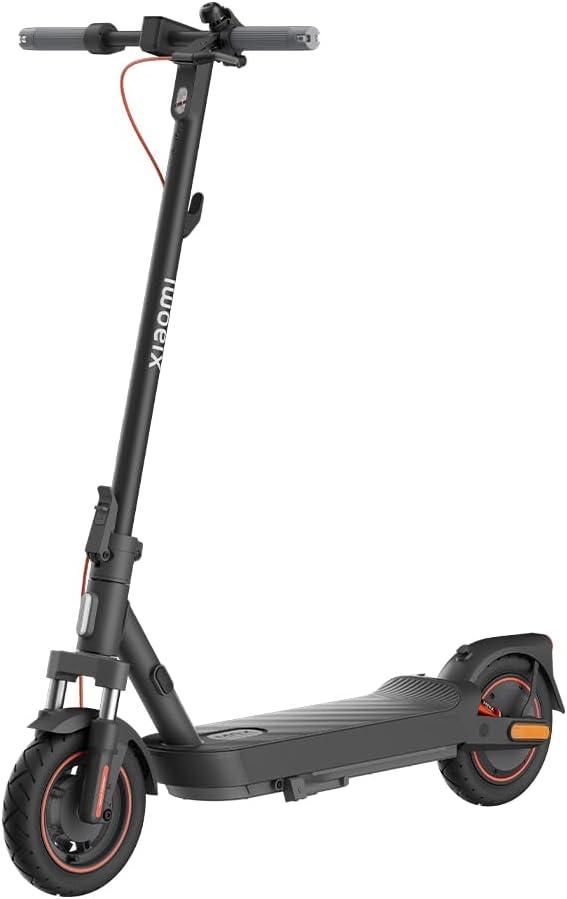
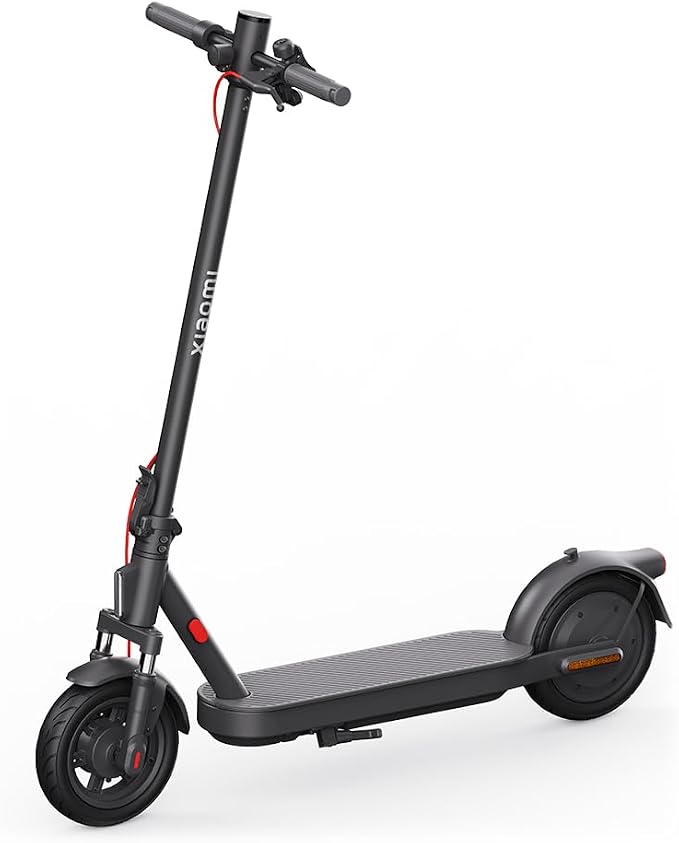
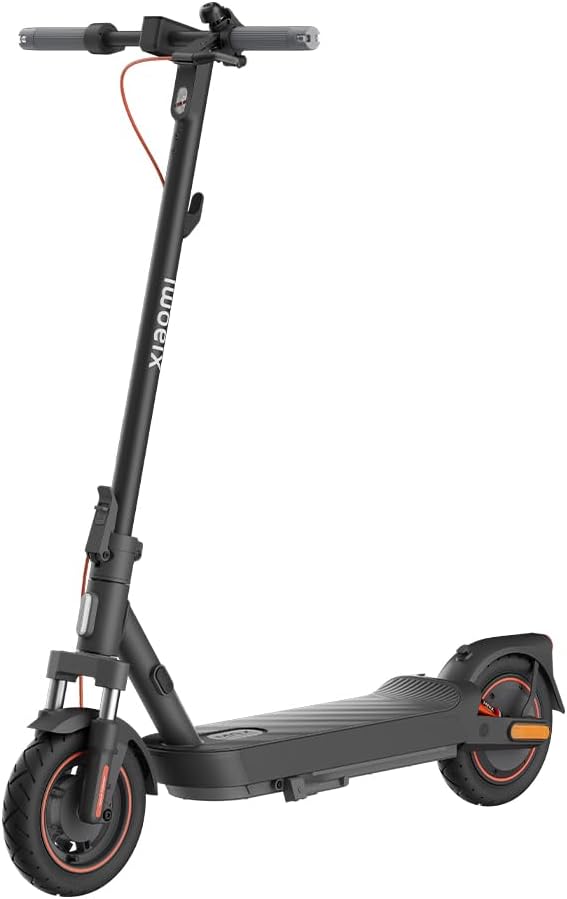 Xiaomi Electric Scooter 5 Max
E-Scooter · Premium commuter
Xiaomi Electric Scooter 5 Max
E-Scooter · Premium commuter
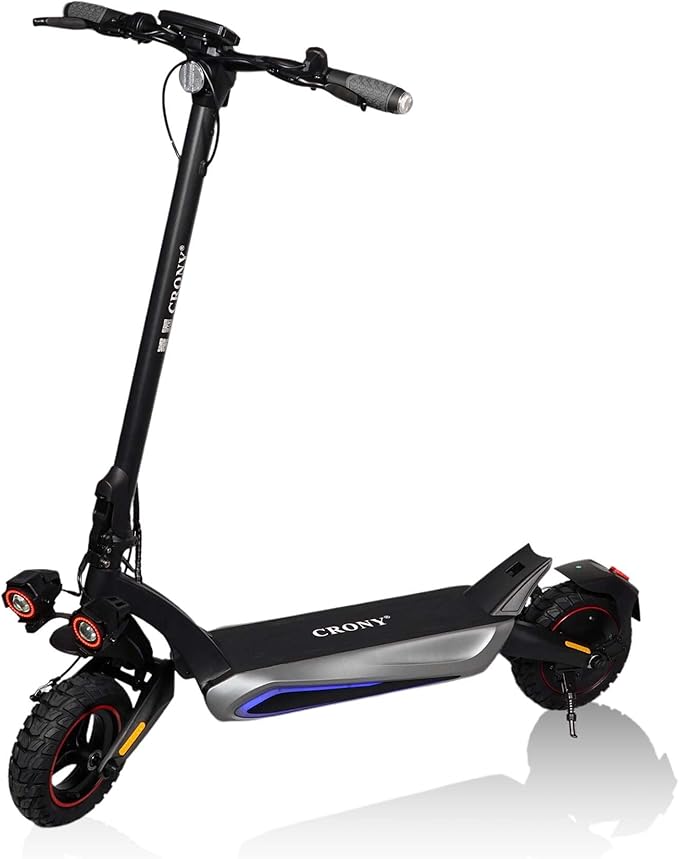
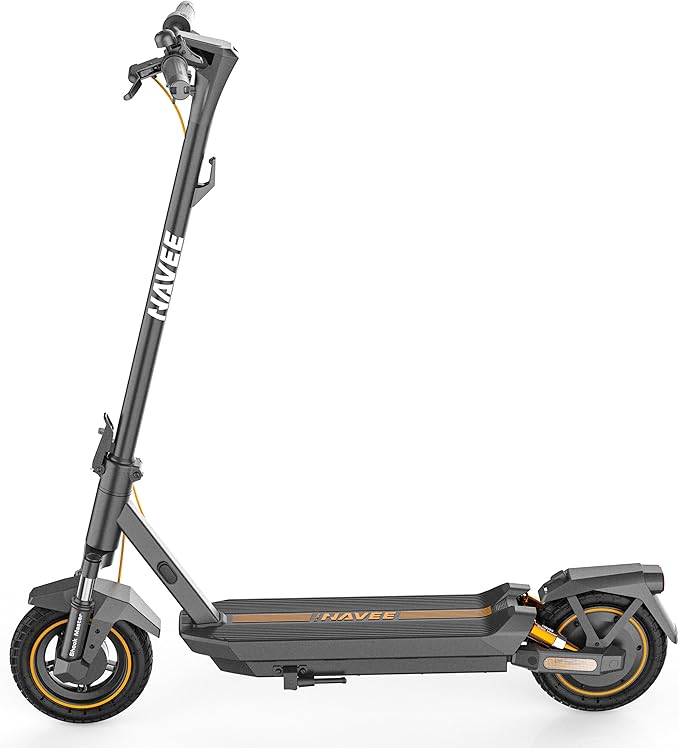
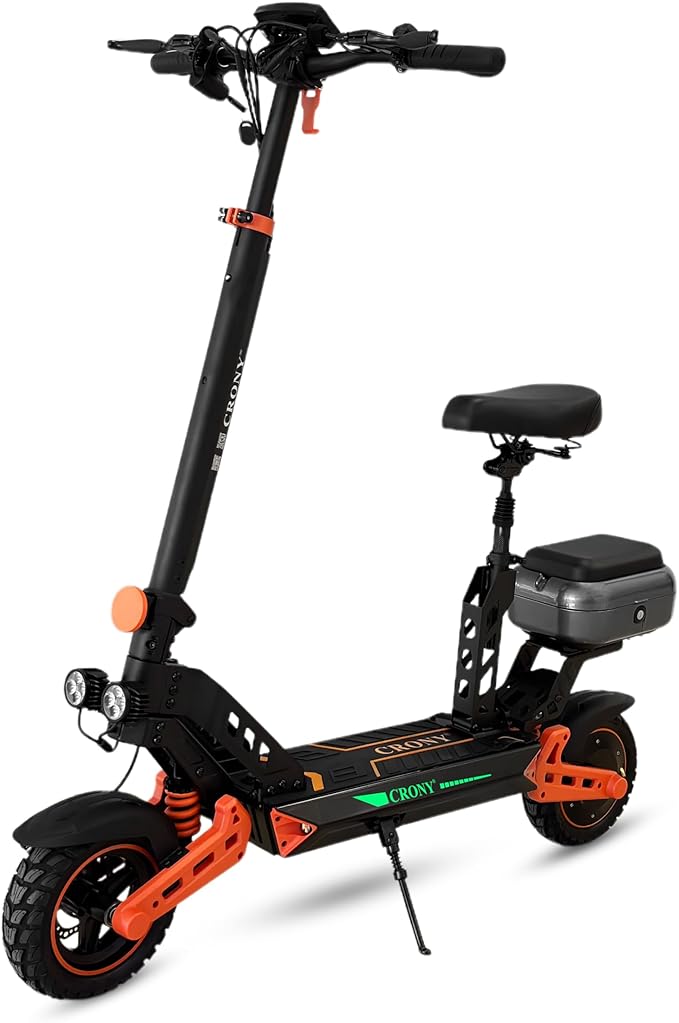
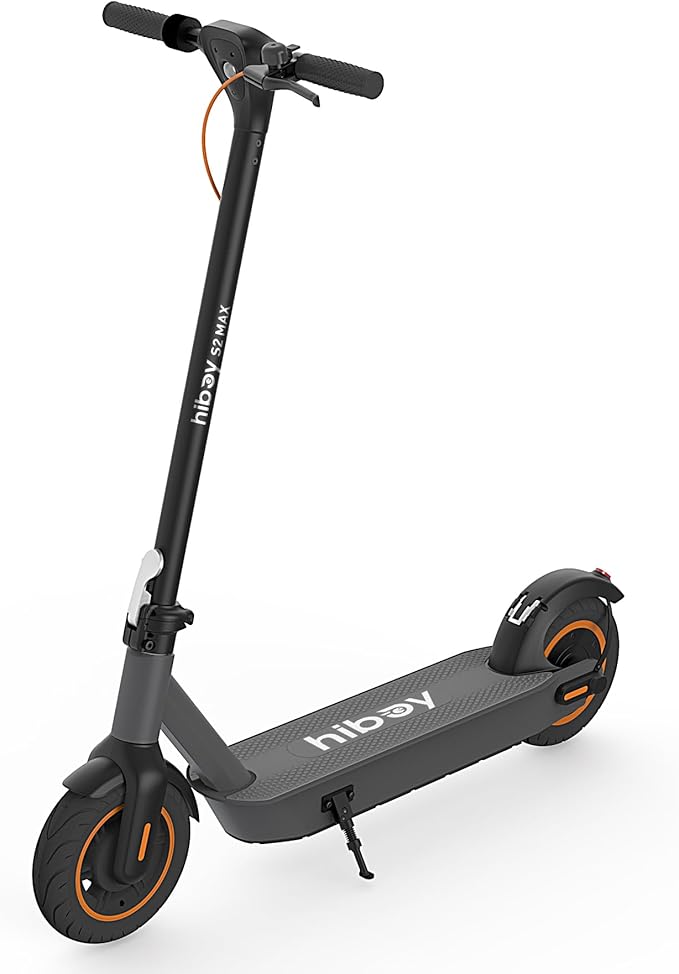
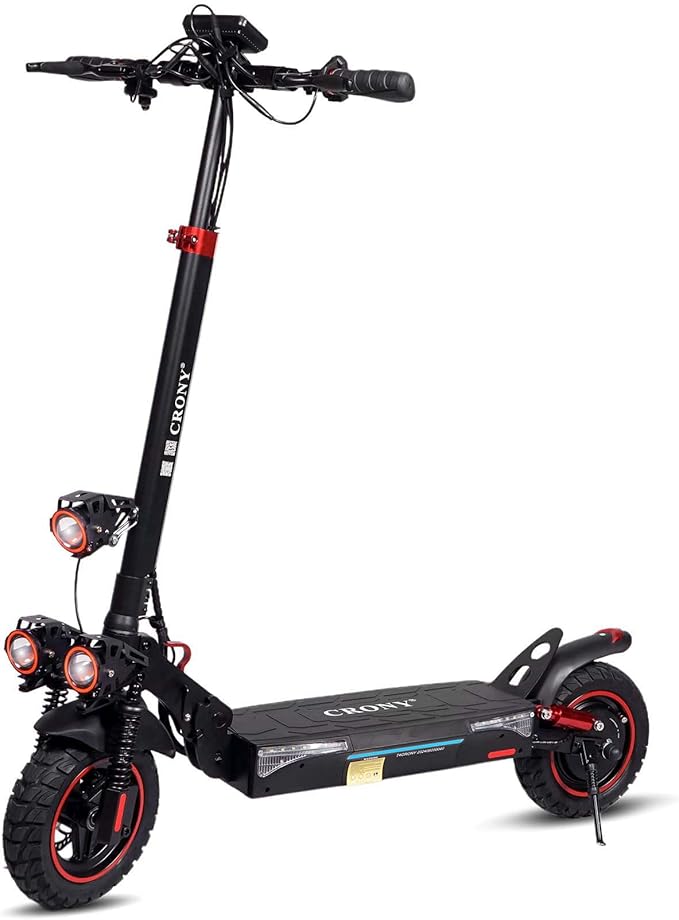
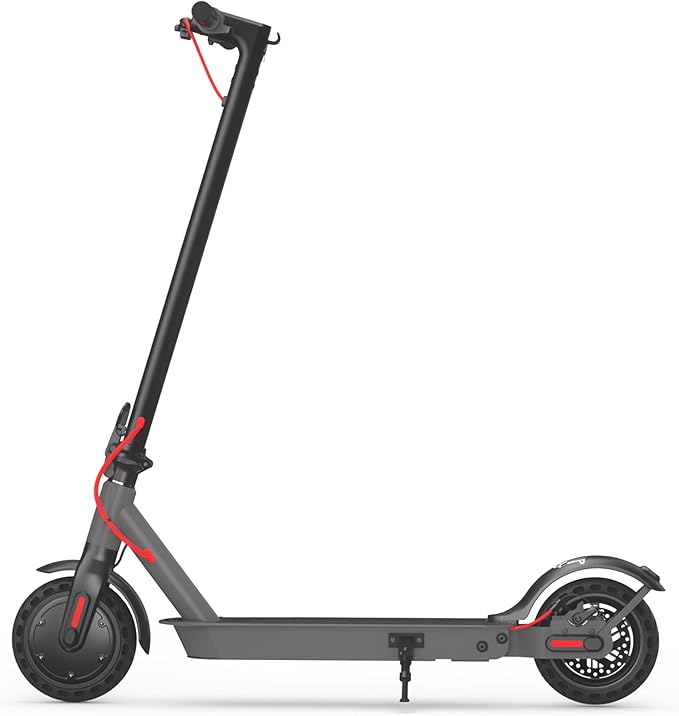
No sponsored rankings. No manufacturer money. Prices re-checked and specs verified against UAE listings.
Best Rated Guides
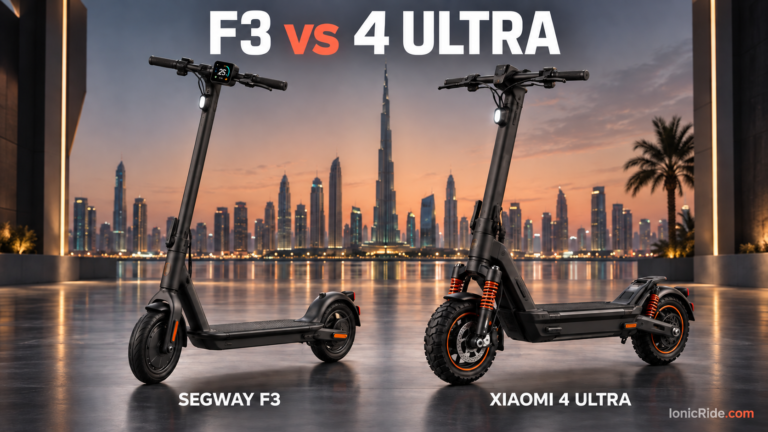 Reviews #1
Segway F3 vs Xiaomi 4 Ultra UAE (2026): Which to Buy?
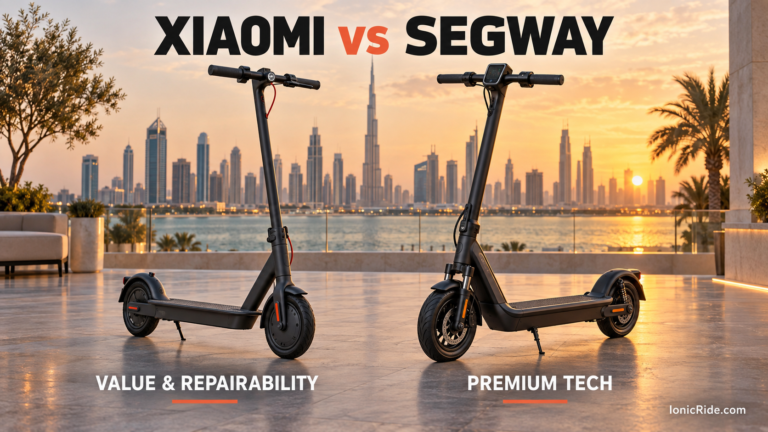 Reviews #2
Xiaomi vs Segway UAE (2026): Which Brand Is Better?
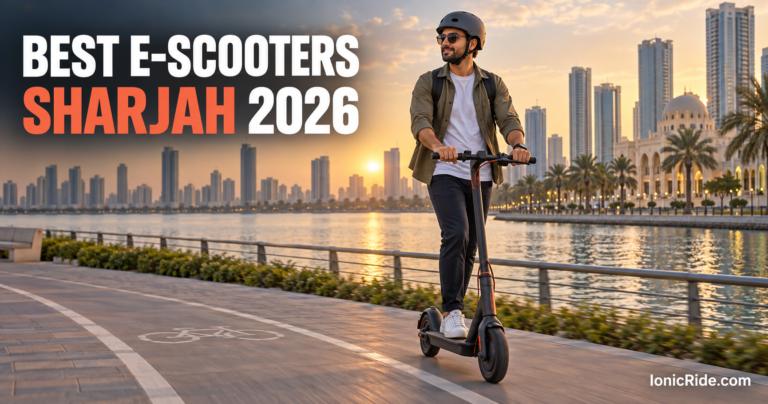 Reviews #3
Best Electric Scooters in Sharjah (2026): Buyer’s Guide
 Reviews #4
Best Electric Scooters in Qatar (2026): Doha-Ready Picks
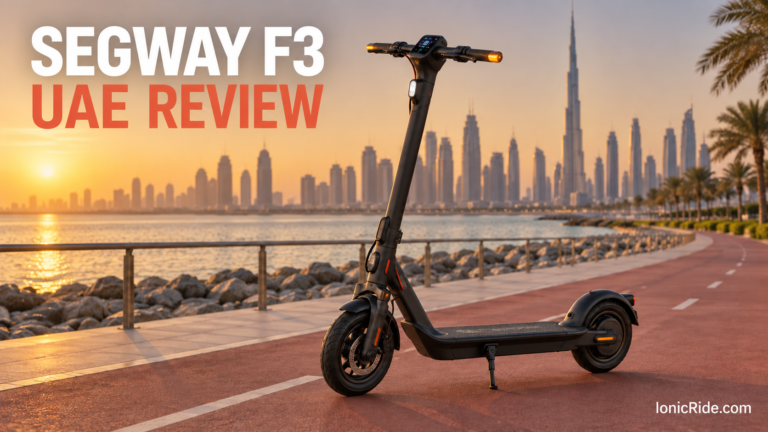 Reviews #5
Segway Ninebot F3 UAE Review 2026: Worth AED 3,000?
 Reviews #6
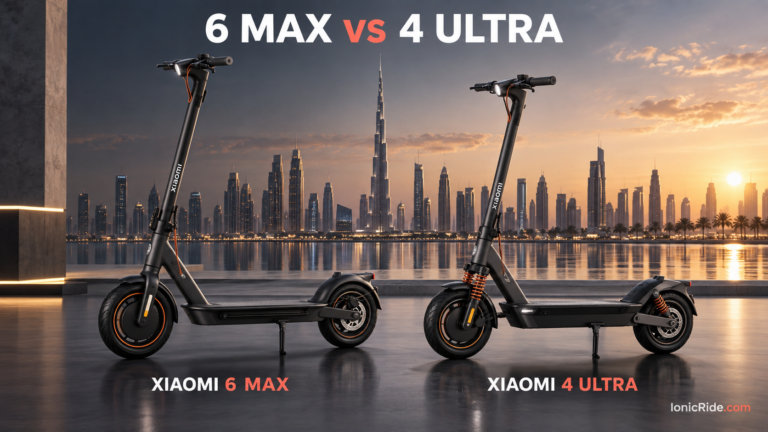
Xiaomi 6 Max vs 4 Ultra UAE (2026): Which Should You Buy?
 Reviews #7
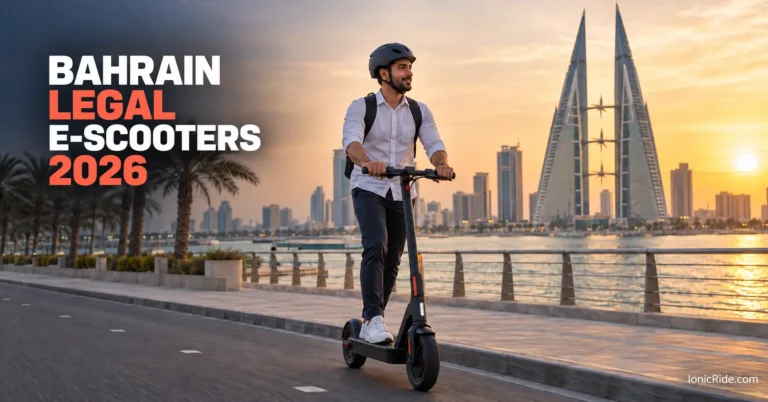
Best Legal Electric Scooters in Bahrain (2026): 25 km/h Picks
 Reviews #8
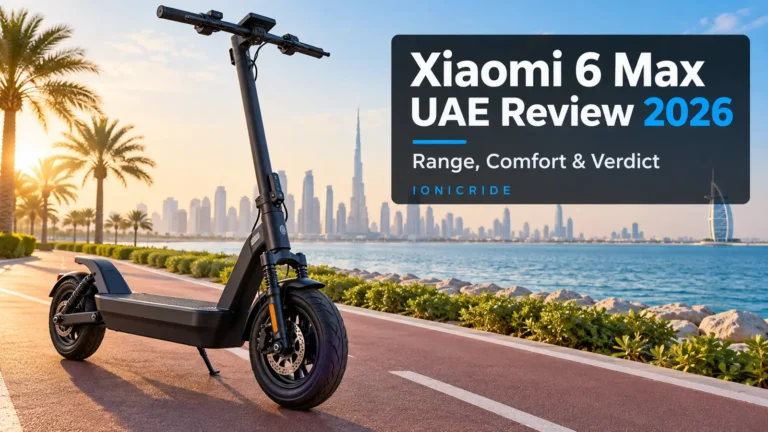
Xiaomi Electric Scooter 6 Max UAE Review 2026
 Reviews #9
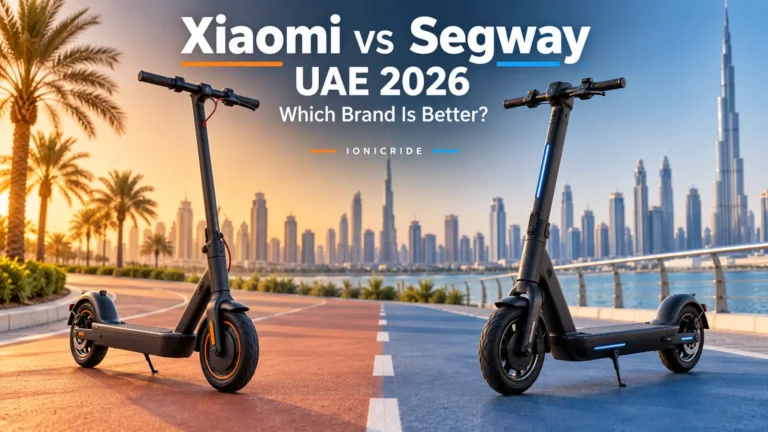
Xiaomi vs Segway UAE 2026: Which Electric Scooter Brand Should You Actually Buy?
 Reviews #10
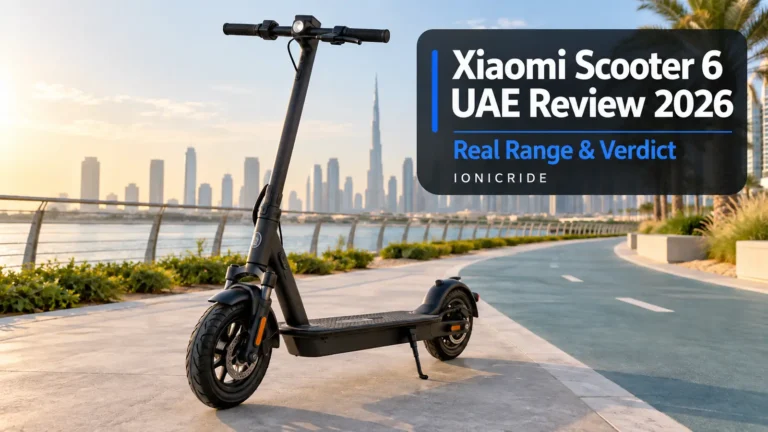
Xiaomi Electric Scooter 6 UAE Review 2026
 Guides #11
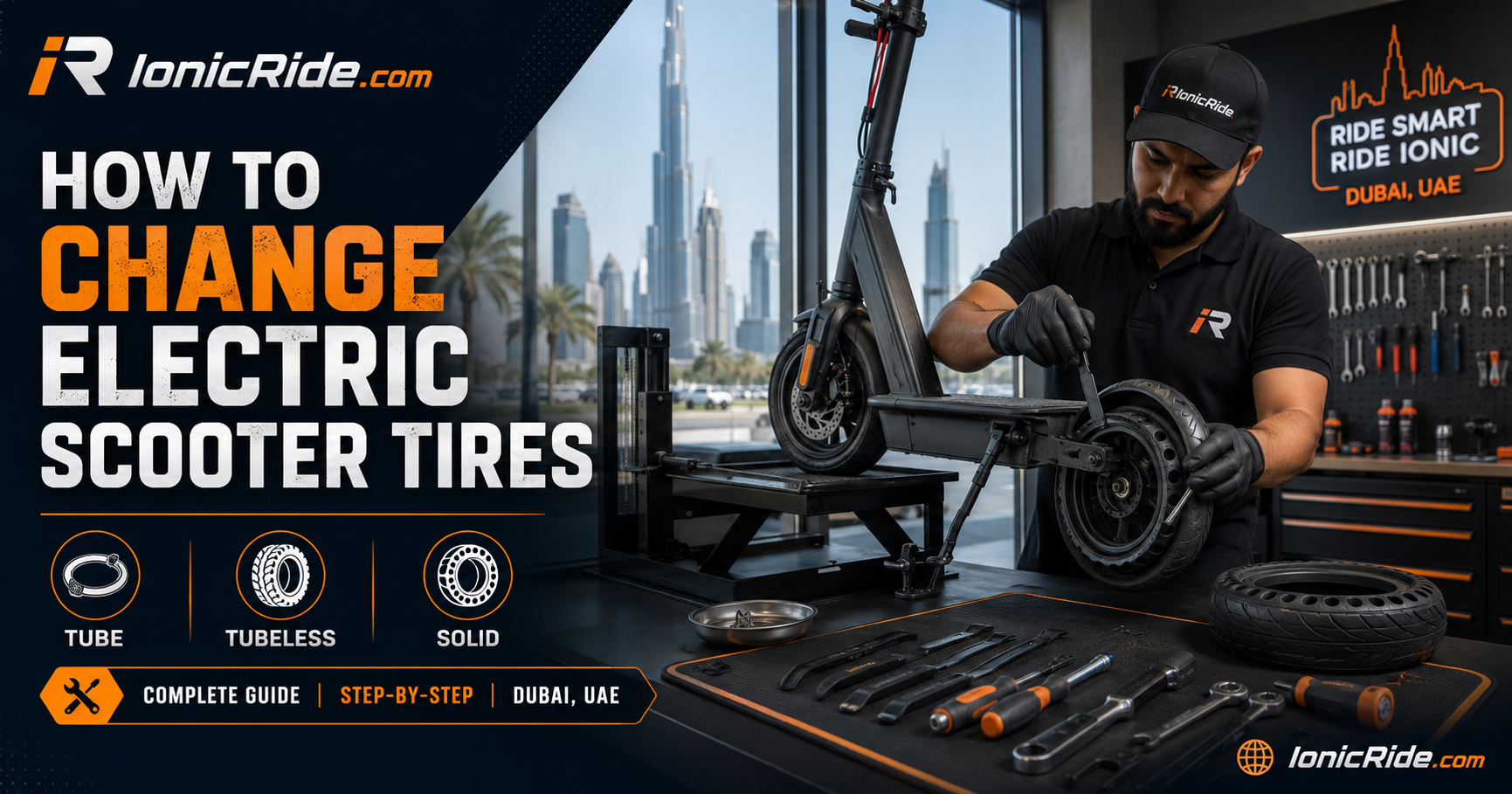
How to Change Electric Scooter Tires
 Reviews #12
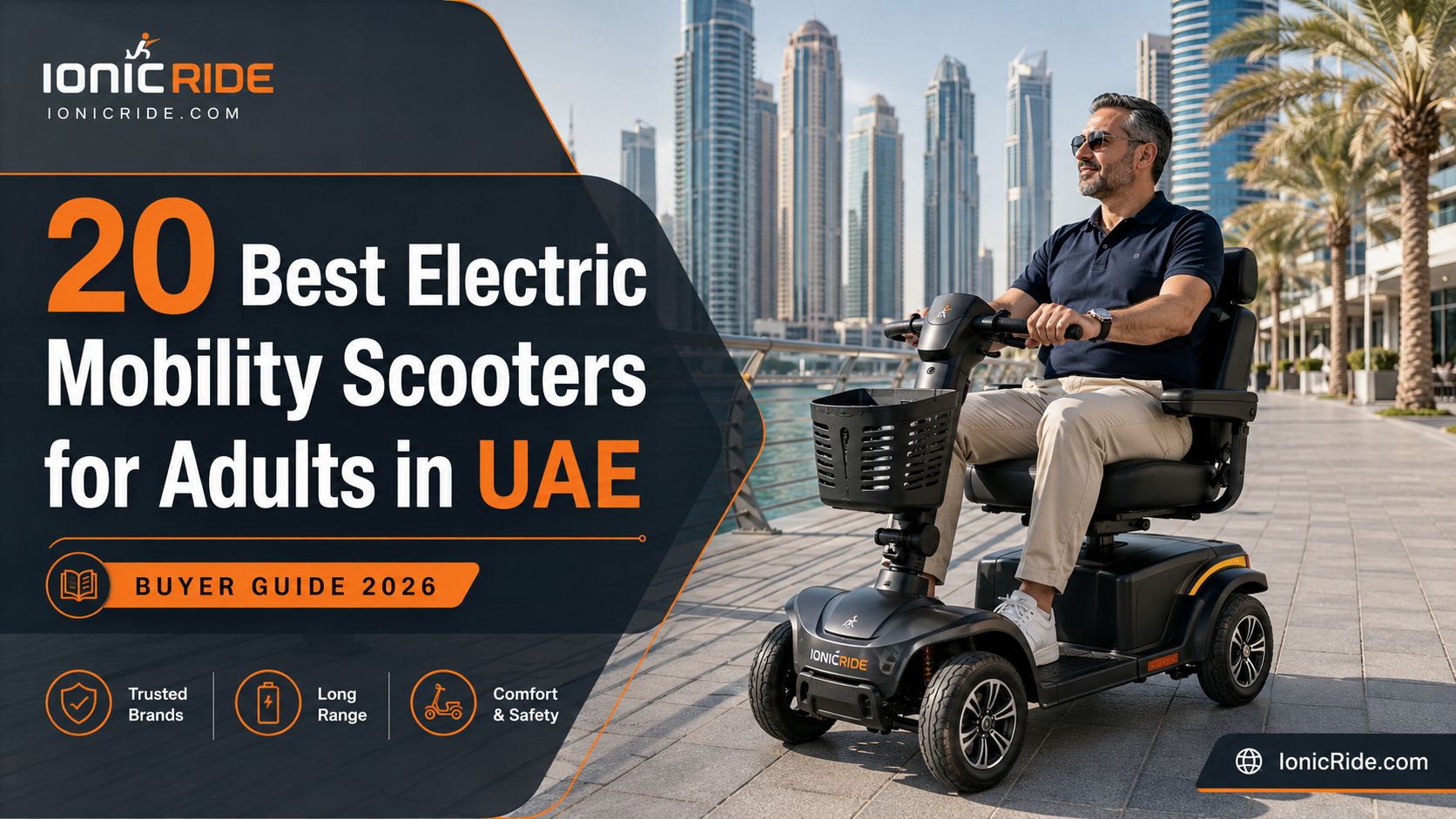
20 Best Electric Mobility Scooters for Adults
Latest News
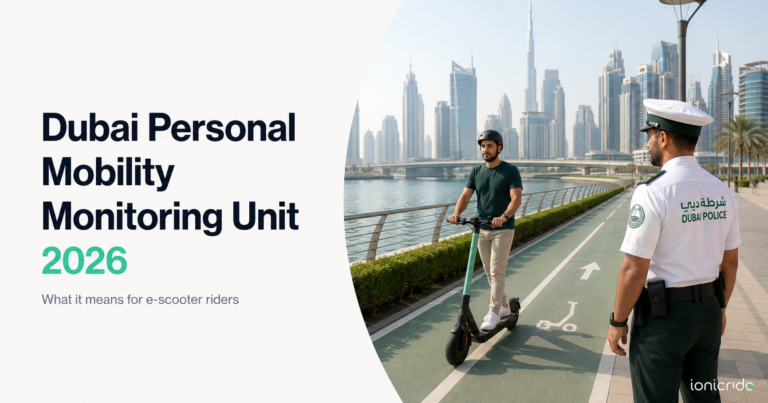 Personal Mobility Monitoring Unit: Inside Dubai’s 2026 E-Scooter Crackdown
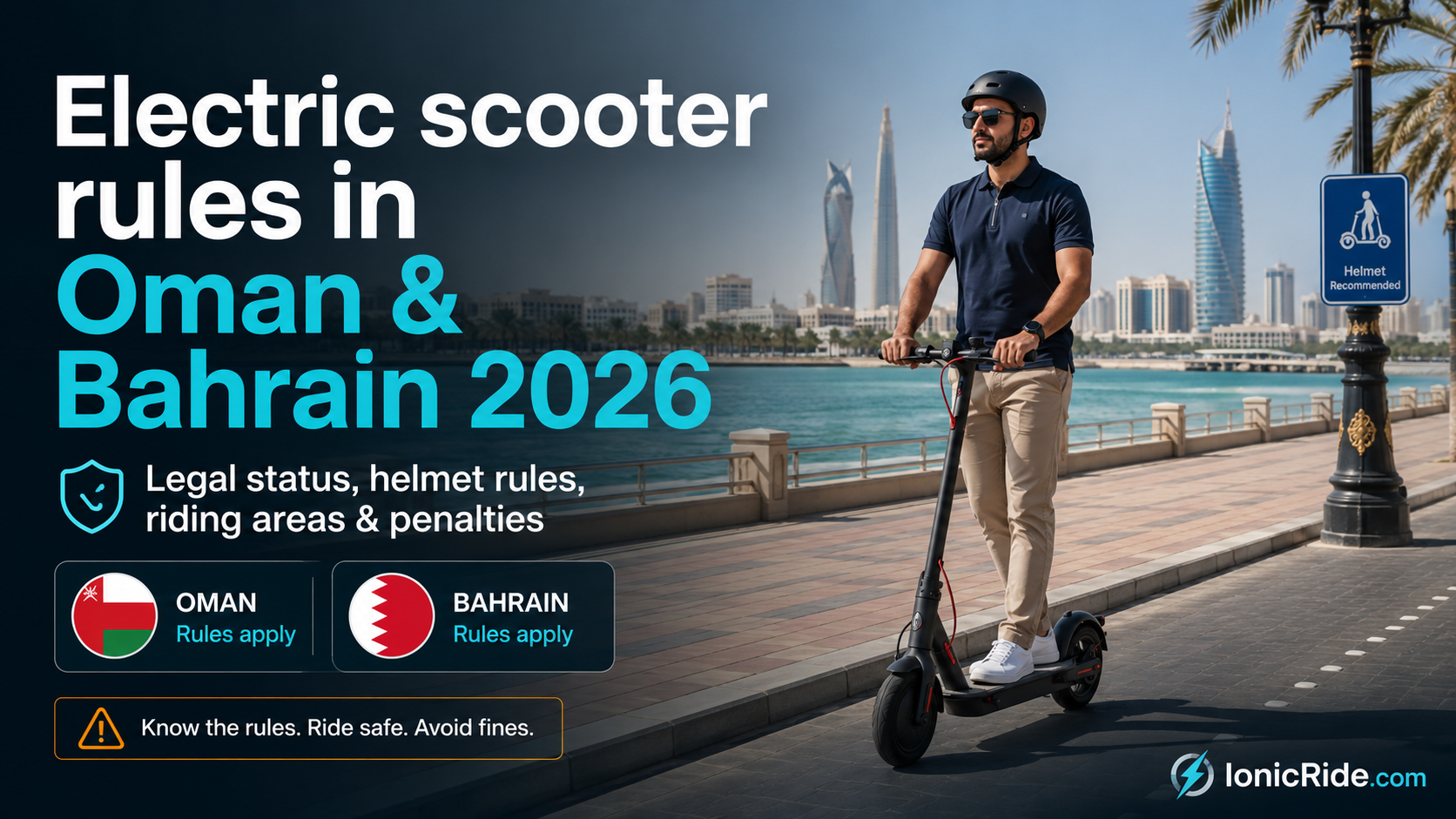 Electric Scooter Rules in Oman & Bahrain
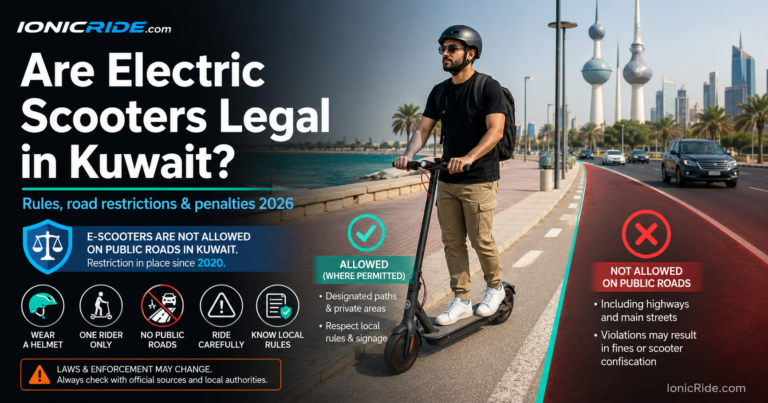 Are Electric Scooters Legal in Kuwait?
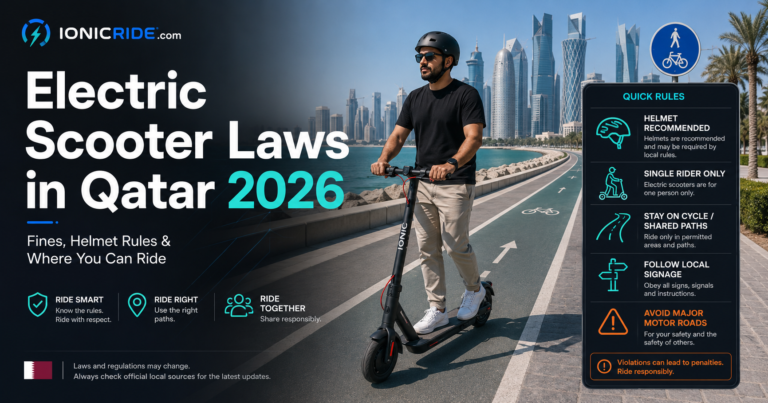 Electric scooter laws qatar 2026
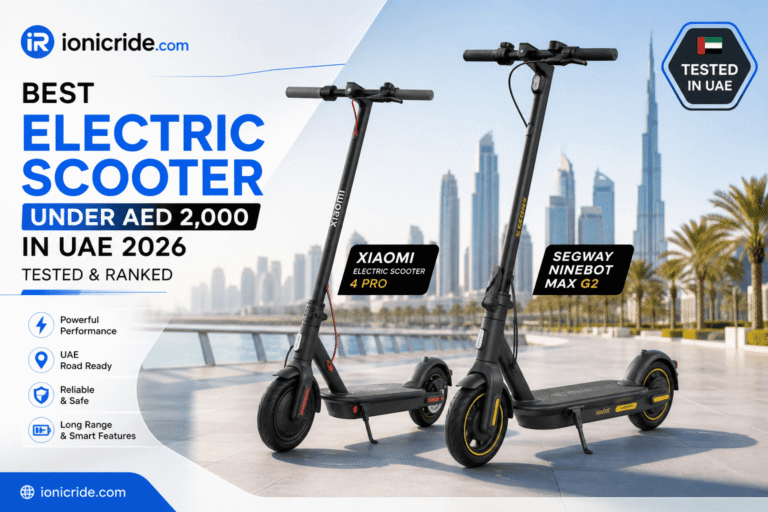 Best Electric Scooter Under AED 2000 in UAE 2026
Buyer's Guides
How to Change Electric Scooter Tires
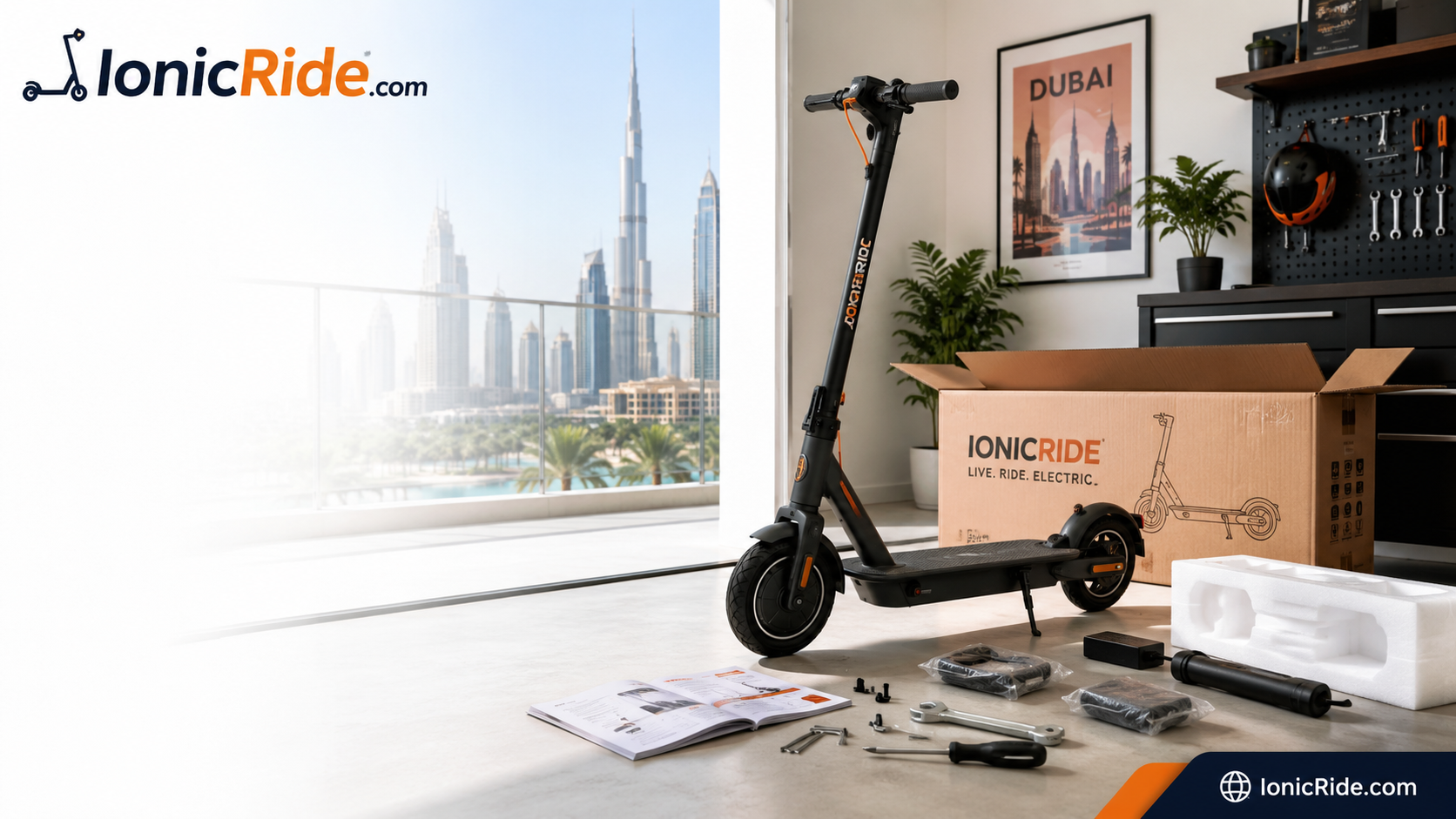 How to Assemble an Electric Scooter Out of the Box
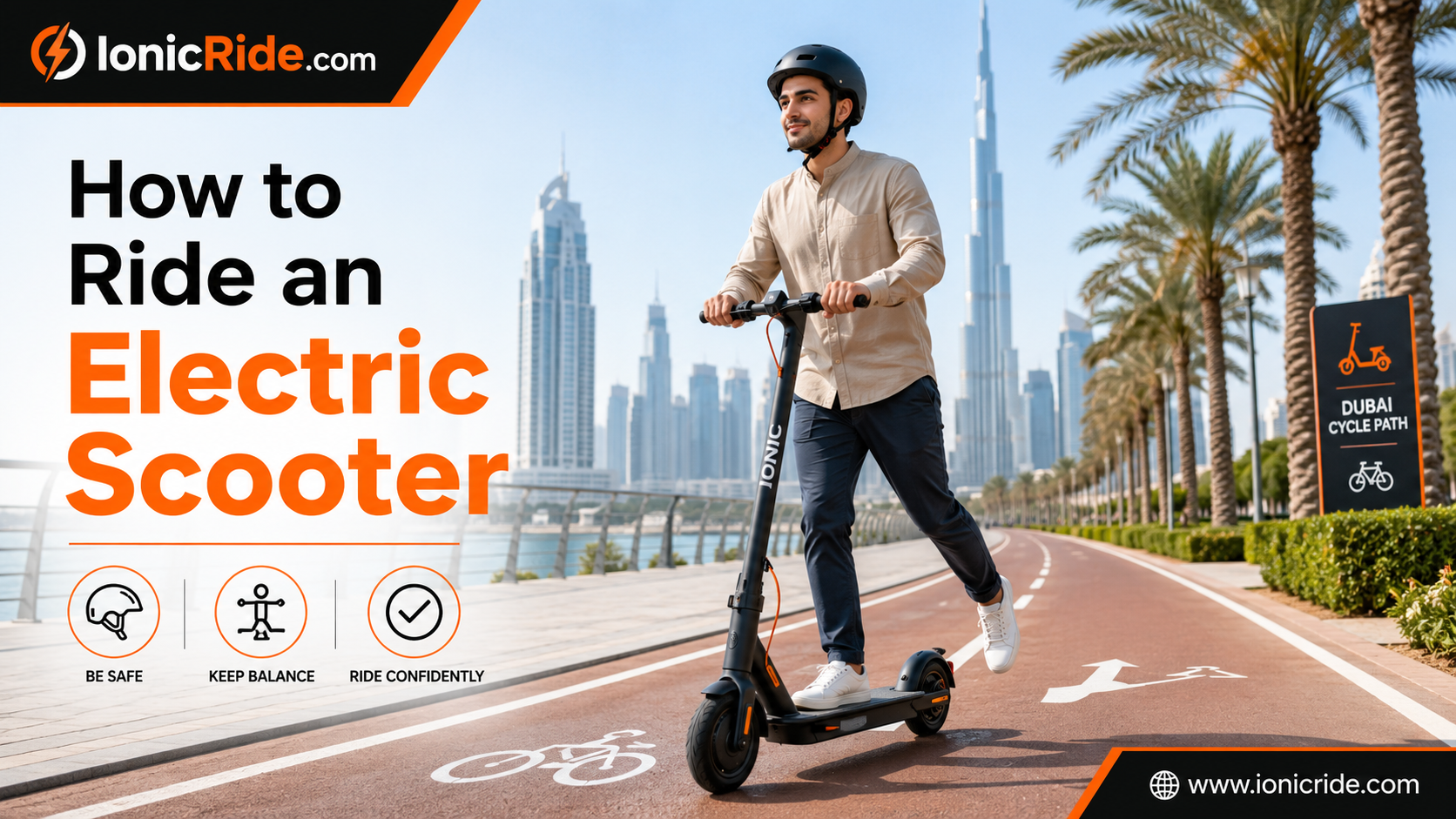 How to Ride an Electric Scooter
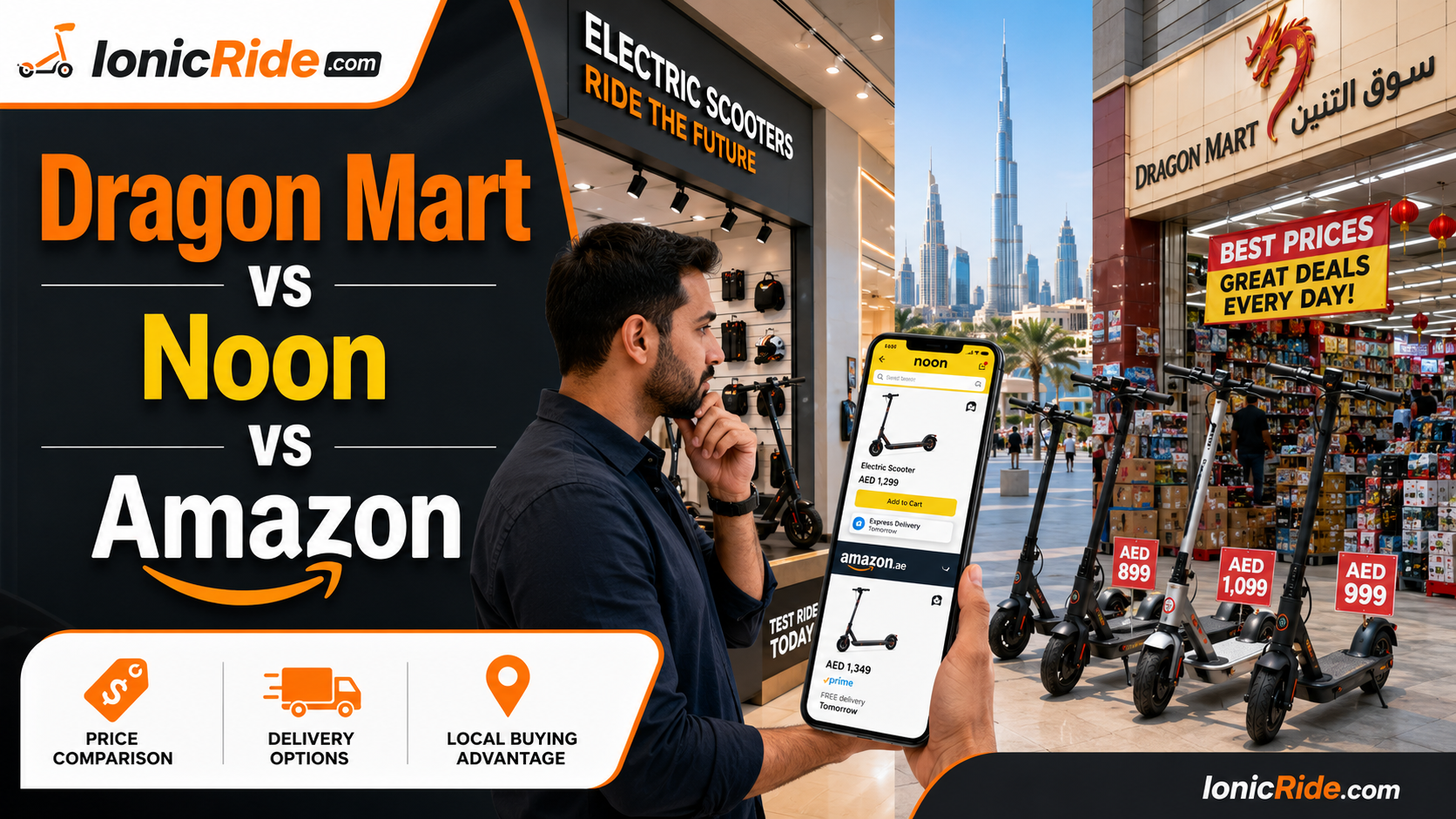 Where to Buy an Electric Scooter in Dubai Dragon Mart vs Noon VS Amazon
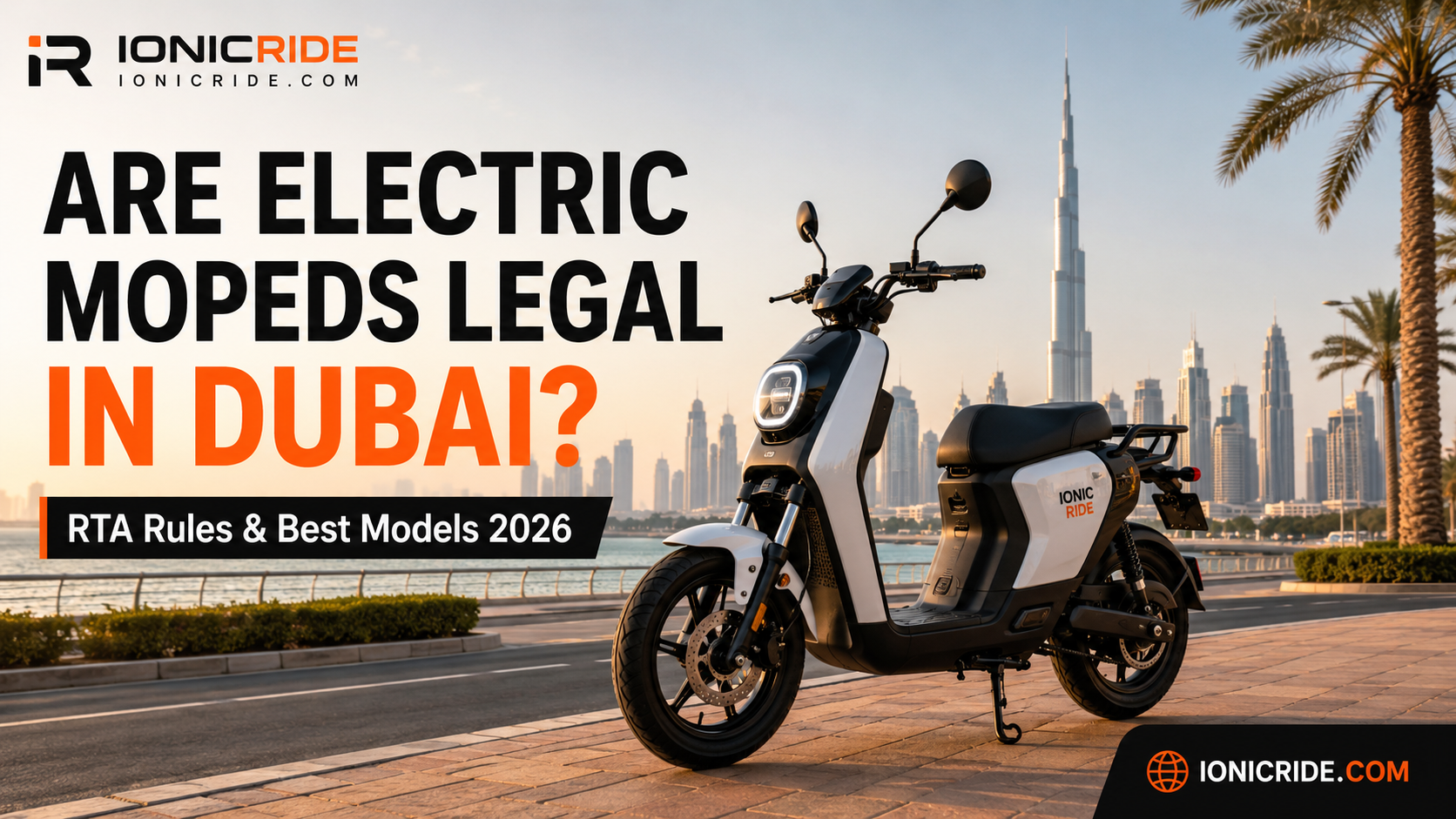 Are Electric Mopeds Legal in Dubai? RTA Rules & Best Models 2026
Safety & Repair
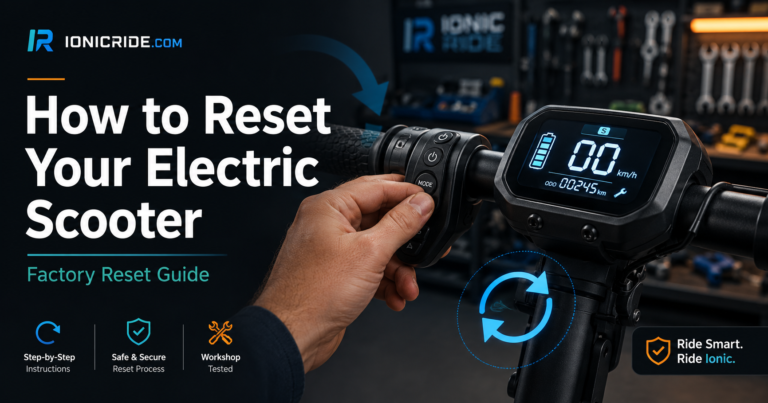 How to Reset Your Electric Scooter — Factory Reset Guide
 Xiaomi Scooter Repair Dubai: Official Service vs Local Shops (Cost Compare)
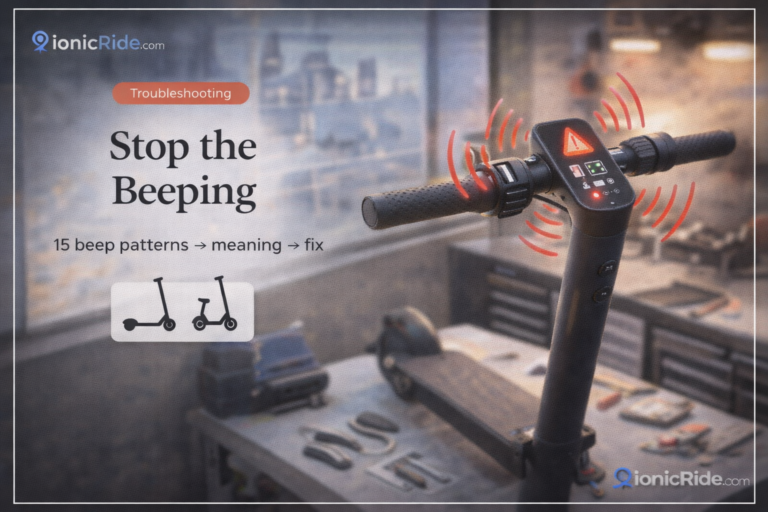 E-Scooter Beeping Continuously: 15 Beep Codes Decoded (All Brands Dubai)
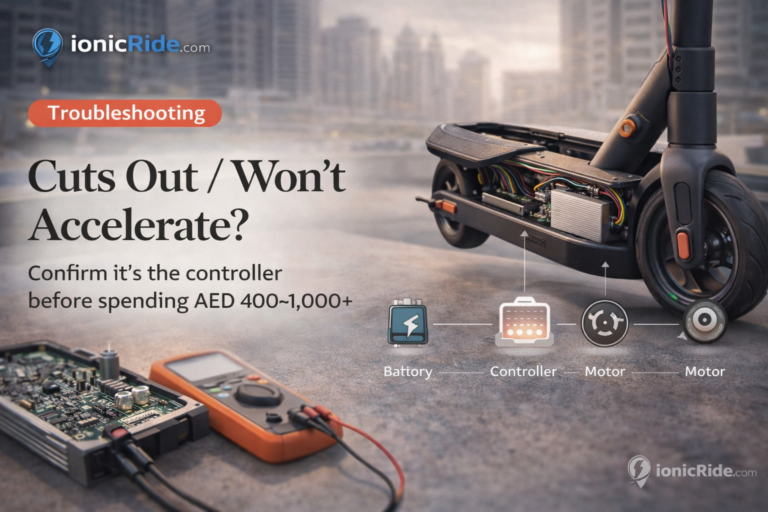 E-Scooter Controller Problems: Symptoms, Testing, Replacement Cost Dubai
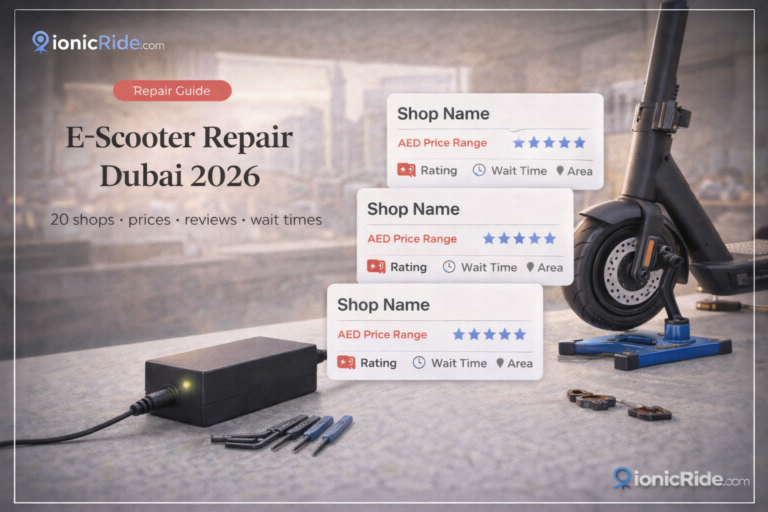 E-Scooter Repair Dubai 2026: 20 Shops With Prices, Reviews, Wait Times
What do you need right now?
Three things send most people to this site. Pick the one that matches your day.
Every emirate writes its own e-scooter law
A permit that works in Deira means nothing in Sharjah. Here is the short version for each emirate, with the full guide behind it.
Before you ride anywhere
Three checks cover most fines: is the scooter itself road-legal, are you old enough, and can you prove the permit.
Fined, impounded, or in a collision
The pages people open in a hurry. Each one starts with the step to take in the first hour.
Every fine, listed
What each offence costs, from AED 200 for no helmet to a AED 50,000 impound release.
Fine breakdownGet it back from police
Documents, fees and the collection order that actually releases a scooter in Dubai.
Release processConfiscated outside Dubai
Sharjah, Ajman and Abu Dhabi each run a different impound process. Here is each one.
Emirate by emirateAfter a collision
Police report, medical record and insurance, in the order they need to happen.
What to do nextAlso worth reading
Describe the fault, skip the repair bill
Pick the symptom you can see or hear. Each guide lists the free checks first and the shop price last.
Swollen battery? Stop reading and act.
A puffed pack in a Dubai apartment is a fire risk, not a maintenance item. This guide covers the first 30 minutes.
What a fix should cost before you agree to it
Published UAE workshop prices compared, so you can judge whether a repair quote is reasonable.
Dubai repair shop directory
Prices, wait times and honest quality notes for 20 workshops across the city.
Open the directory Repair vs replaceBattery: AED 200 fix or AED 800 pack
When a cell rebuild makes sense and when you are paying to delay the inevitable.
Compare the maths 2-year logTrue cost of ownership
Every dirham spent on one scooter over two years, including the parts nobody budgets for.
See the numbersThis year's picks
Compared using claimed range, UAE parts availability, weight, price and suitability for local conditions.
Xiaomi Electric Scooter 4 Pro
- Real range 32 km
- Weight 14.4 kg
- Metro friendly Yes
The one we recommend when someone has no strong requirements. Light enough to carry up Metro stairs daily.
Segway Ninebot MAX G2
- Real range 46 km
- Weight 24.3 kg
- Water rating IPX5
Self-healing tyres are the real feature here. Heavy, so check your building lift and stairs first.
Xiaomi Electric Scooter 4 Lite
- Real range 20 km
- Weight 14 kg
- Best for Short hops
Slow on inclines and short on range, but the parts supply in Dubai is unmatched at this price.
Shop by budget
Each list is capped at what you can actually buy in the UAE today, at real street prices rather than launch RRPs.
Or shop by rider
Some links to retailers earn us a commission. It never changes a ranking, and nothing here is paid placement. Prices move weekly, so always check before you buy.
Who actually supports you after the sale
In the UAE the brand decides how fast you get a spare part, not just how the scooter rides. Start with the badge you're considering.
Xiaomi
The default choice here. Best parts supply in Dubai and the easiest to get serviced cheaply.
9BSegway Ninebot
Better build and range than Xiaomi at the same tier, with heavier frames and higher prices.
INInokim
Premium and light, built for Metro commutes. We examine whether the price premium is justified.
KGKugoo
Cheap dual-motor power. The question is whether you'll spend the savings at a workshop.
NVNavee
A newer name in the UAE. Strong specs on paper, thinner service network behind it.
CRCrony
Dragon Mart regular. What you're actually buying at this end of the market.
LXLuxury badges
Bugatti, Ducati and Lamborghini scooters, and who really manufactures them.
All brands ranked
Every brand sold here, scored on warranty, spares and how they hold up in the heat.
Wheelchairs, mobility scooters and scooties
Not everyone is shopping for a commuter scooter. These guides research powered mobility for daily independence, with attention to UAE accessibility needs and local conditions.
Best electric wheelchairs in the UAE
Folding weight, kerb clearance, battery range and where to get them serviced locally.
Read the guide 20 modelsElectric mobility scooters for adults
Three-wheel versus four-wheel stability, seat comfort over distance, and honest range figures.
Compare modelsScooty in Dubai: prices and models
What a scooty costs here in 2026, which three-wheel options are worth it, and the rules that apply.
See pricesLonger distances, different rules
E-bikes get their own lanes, their own licence questions and their own failure modes in this climate.
Complete buyer's guide
Prices, models and the specs that matter once you leave the showroom.
Start hereCycle path rules
Where an e-bike is welcome on Dubai's network and where it is not.
Check the rulesWhy 60 km becomes 40 km
How heat, weight and assist level eat the range printed on the box.
Understand rangeDelivery e-bikes
Which models pay for themselves, and how quickly, on delivery shifts.
See the ROIHeat, sand and humidity are the real test
Most spec sheets are written for European weather. These guides cover what 45°C and fine dust actually do to a battery, a bearing and a brake pad.
What heat does to a battery
Why capacity drops in July, and the charging habits that slow the damage.
Read moreWhat fails first
Bearings, folding hinges and connectors, in the order sand and humidity kill them.
Read moreSummer survival guide
Riding times, parking in shade, storage and the gear that makes June to September bearable.
Read moreWhere to buy, how to pay, how to get around with it
Riding elsewhere in the Gulf
Same scooter, different law. Coverage for the countries readers ask about most, plus our Arabic guides.
بالعربية — guides in Arabic
The most-read legal guides, translated in full.
Answered in one line, then in full
Are e-scooters legal in Dubai in 2026?
How do I get an RTA e-scooter permit?
What are the e-scooter fines in Dubai?
Can I take an e-scooter on the Dubai Metro?
Are Sharjah rules the same as Dubai?
My scooter was confiscated. What now?
Do I need a licence in Abu Dhabi?
How old do you have to be to ride?
Why you can trust these pages
Nobody pays for a ranking
No brand has ever paid to appear or move up a list here. Affiliate links exist and are marked, but they never change an order.
Researched, sourced and transparent
Specifications are checked against manufacturers and current UAE retailer listings. Real-world range varies with rider weight, temperature and riding conditions.
Law checked at source
Every rule is traced to RTA, police or municipal publications, and re-checked each quarter. Update dates are shown on every legal page.
IonicRide publishes general information, not legal advice. Rules and fines change, and enforcement varies between emirates and even between zones. Confirm anything that matters with the RTA, your local municipality or the relevant police authority before you ride.