Electric Scooter Weight Limit Dubai: What Happens When You Exceed It (We Tested)
“Max load: 100 kg” or “120 kg” is printed on almost every scooter spec sheet — and most riders treat it like a suggestion.
In Dubai, that mistake shows up fast: range drops, tyres fail, controllers overheat, and folding stems start developing play. Not always immediately. But the wear curve changes the moment you go over the limit.
This guide explains what a weight limit actually means, what breaks first, and how to choose the right scooter if you’re a heavier rider (or you ride with load).
⚖️ Quick Truth — What Happens Over the Limit
What “Weight Limit” Actually Means (And What It Doesn’t)
Manufacturers call it “max load,” but it’s really a safety + durability threshold. It usually assumes:
- smooth roads (not speed bumps, curb drops, potholes)
- one rider (not you + backpack + groceries + laptop + water)
- proper tyre pressure (most riders don’t check this)
- new components (not a scooter with 1,000 km and worn bearings)
Weight limit is less “will it move?” and more “will it stay reliable for 12–24 months?” Most scooters will still move over the limit — they just start aging like milk.
Our Dubai Test: Same Route, Different Load
We ran a simple shop test because customers kept asking: “I’m over the limit — what actually happens?”
- Same scooter, same tyre pressure check, same rider posture
- Same route with a few ramps/bridge approaches (the real Dubai killer)
- Loads simulated with rider weight + backpack equivalent
The first thing to break isn’t the frame. It’s range and tyre reliability. Most “weight limit” complaints show up as “battery is bad” or “punctures every week.” The limit is often hiding in plain sight.
What Breaks First When You Exceed the Limit
1) Tyres and tubes (or sidewalls)
The heavier the load, the more tyre pressure matters. Underinflation + heat + load = pinch flats, sidewall damage, rim dents. In Dubai, we see this constantly on 8.5–10″ commuter scooters.
Check tyre pressure weekly. Heavier riders should run the higher end of the recommended PSI range (without exceeding what the tyre states). Most “bad scooter” stories are actually “low tyre pressure” stories.
2) Controller heat (especially in summer)
When load is higher, the scooter pulls more current to maintain speed and climb. That current turns into heat in the controller. Heat is what causes:
- random cut-outs on ramps
- throttle “lag” or stutter
- burnt connectors
3) Brakes (pads, rotors, cables)
More weight = more stopping energy. Pads wear faster. Rotors heat soak. Cable brakes feel weak sooner. If you exceed limits, you should treat brakes like a maintenance item, not a forever part.
4) Folding mechanism + stem play
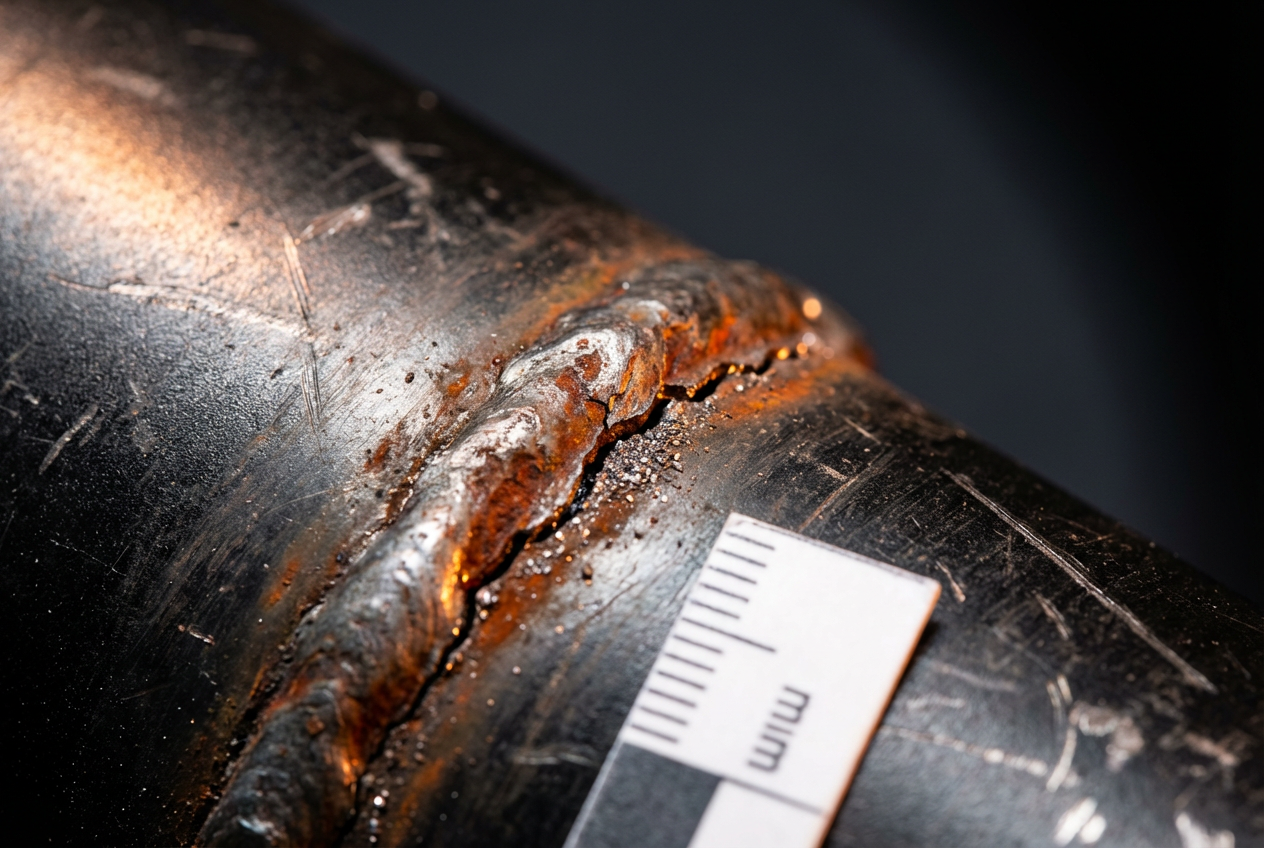
This is the slow one. You don’t notice it for weeks — then you suddenly feel a small knock in the stem when braking. That’s fatigue. It doesn’t mean instant danger, but it’s a sign you’re running the scooter outside its comfort zone.
If your stem develops play, creaks, or knocking under braking — stop “hoping it’s fine.” Get it checked. A loose folding mechanism isn’t a cosmetic issue; it’s a structural one.
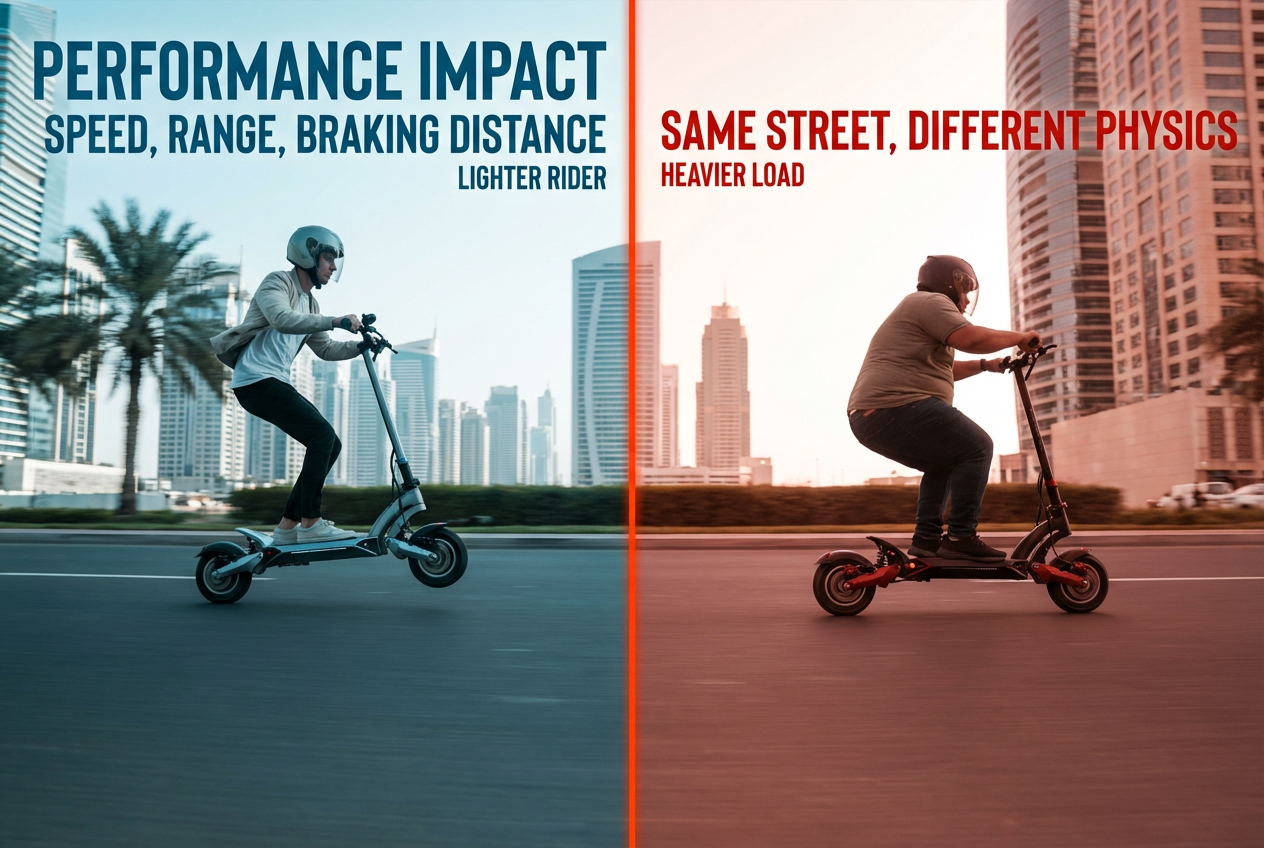
How Much Range You Lose Over the Limit
Every scooter behaves differently, but the direction is consistent: more load = more rolling resistance + more current draw = less range.
What Changes as Load Increases (Dubai Reality)
Workshop Observed| Load Situation | What You Feel | What It Causes |
|---|---|---|
| Within stated limit | Normal acceleration + stable speed | Expected range + normal heat |
| Slightly over (you + backpack) | Slower take-off, climbs feel weaker | Range drop + warmer controller |
| Well over (heavy rider + load) | Ramps become “crawl mode” | Heat cut-outs, punctures, faster wear |
| Over + summer midday | Performance falls earlier in the ride | Battery sag + controller stress |
Dubai Specific: It’s Not Just Your Weight
Two riders can weigh the same and have totally different outcomes because Dubai adds multipliers:
- Heat (battery sag + electronics stress)
- Ramps/bridges (continuous load for longer time)
- Stops/starts (acceleration pulls high current repeatedly)
- Tyre neglect (pressure drops faster than people think)
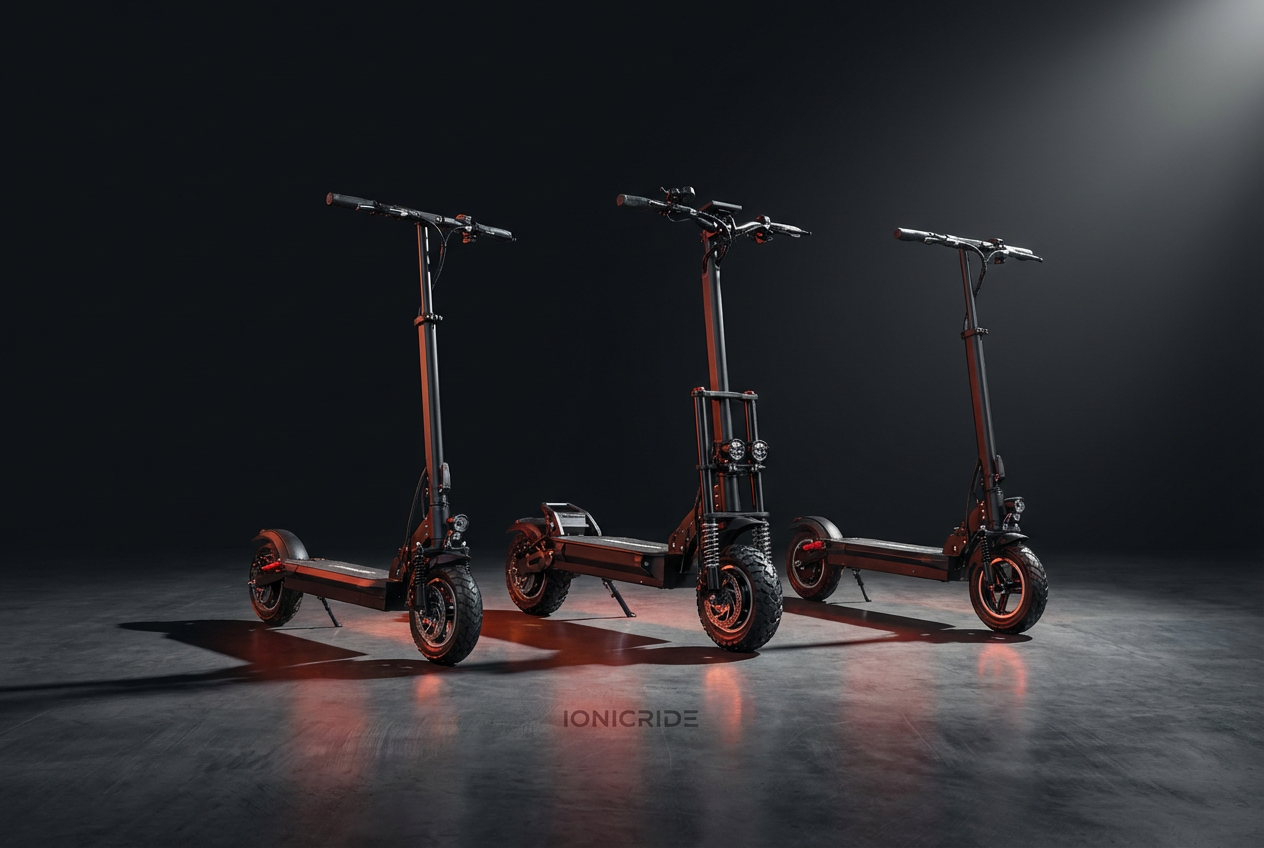
Because your real load isn’t your body weight. It’s body + bag + water + laptop + shoes + groceries. And then you hit a ramp in 40°C. That’s how “within the limit” becomes “not really.”
If You’re a Heavy Rider: What to Look for Instead
If you regularly ride near or over the limit, you don’t need “a scooter that can technically move.” You need a scooter that doesn’t live at 95% stress all the time.
- Higher stated max load (obvious, but start here)
- Wider tyres / larger diameter (puncture reduction + stability)
- Stronger brakes (dual disc or high-quality regen support)
- More motor torque margin (not for speed — for ramps + heat)
- Decent battery capacity (so you’re not always deep-discharging)
- Solid stem/folding design (less fatigue over time)
If you’re ~100kg+ and want model picks (not theory): Best Electric Scooter for 100kg Riders in Dubai (2026)
Can You “Fix” a Scooter That’s Under-Specced for Your Weight?
Sometimes. But most fixes are about reducing stress, not magically increasing strength.
- Tyre pressure (the biggest win)
- High-quality tyres/tubes (less pinch flats)
- Brake maintenance (pads + rotor alignment)
- Riding style (avoid curb drops and hard acceleration)
- Battery health care (don’t store at 0%, avoid deep discharges)
Controller “power unlocks” on a scooter that’s already struggling under load. In Dubai heat, this is how you turn a working commuter into an overheated paperweight.
If your scooter feels weak and you suspect battery sag, read this: E-Scooter Battery Replacement Dubai: Cost, Lifespan & Which Packs Last
Exceeding weight limit doesn’t usually snap the scooter in half. It silently changes the wear rate: more punctures, more heat, faster brake wear, and stem play over time.
In Dubai, heat + ramps magnify the penalty. A scooter that feels “fine” in winter becomes a struggler in summer.
If you’re near the limit, buy margin. Bigger tyres, better brakes, stronger motor/battery system. Not for speed — for reliability.
Before You Ride (If You’re Near/Over the Limit)
- Add your real load: body + backpack + laptop + groceries (don’t lie to yourself)
- Inflate tyres to the correct PSI weekly (heavy riders should be consistent)
- Avoid curb drops and speed bumps at speed (fatigue is cumulative)
- Watch for stem play/creaks — get it checked early
- Expect more brake wear; inspect pads regularly
- In summer: ride earlier/later if possible to reduce heat stress
- If the scooter cuts out on ramps, stop forcing it — that’s a controller heat warning