IP Rating Electric Scooter UAE: Does Water Resistance Matter When It Barely Rains?
Dubai “barely rains” — until it dumps a year’s worth of water in a few hours and roads turn into rivers.
So yes: IP rating matters in the UAE. Not because you ride in rain every week… but because when wet happens here, it’s often puddles, underpass flooding, sprinklers, hose washes, and accidental immersion.
This guide explains what IPX4 / IPX5 / IPX7 actually mean for e-scooters — and what they absolutely do not mean.
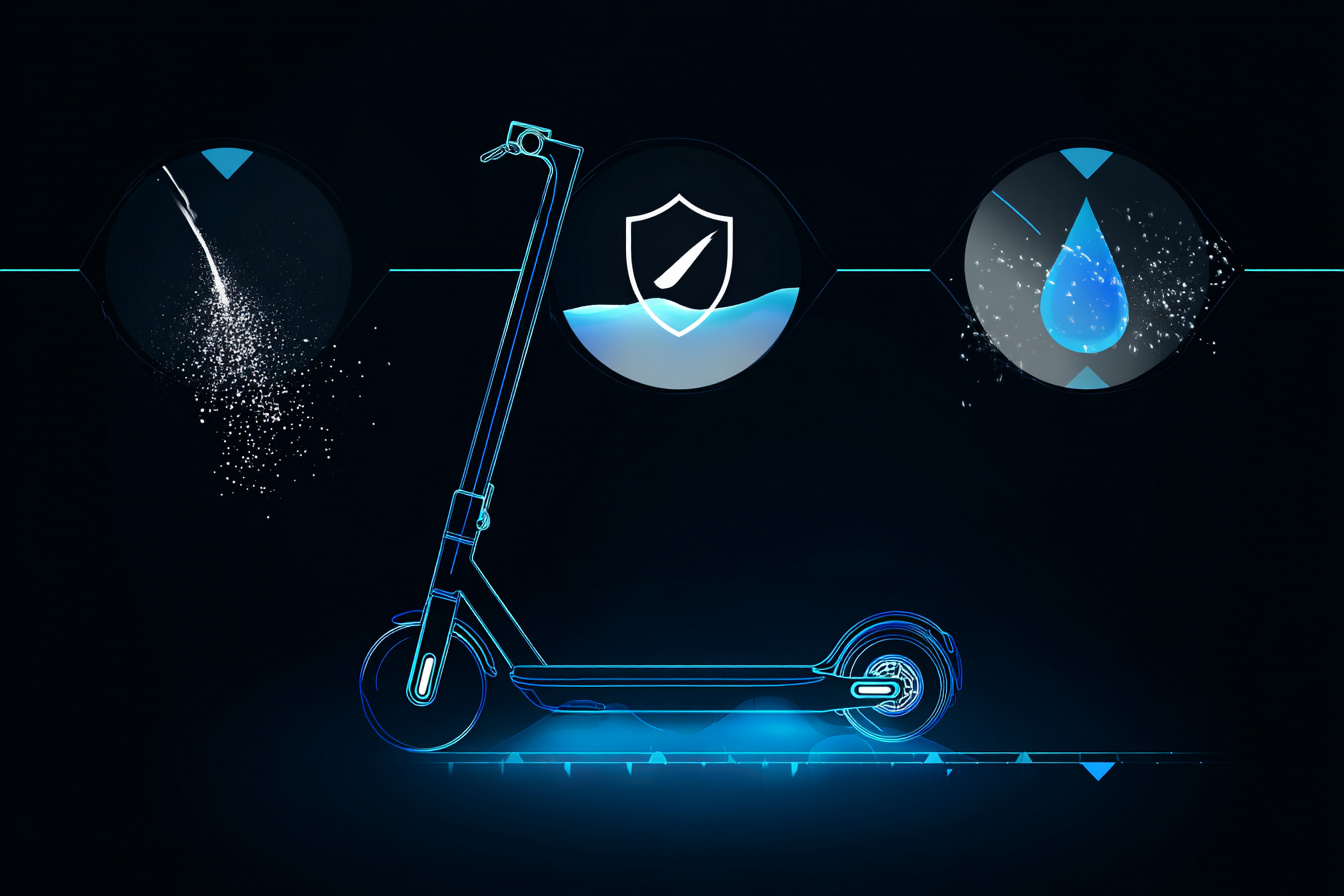
💧 UAE Quick Answer — Do You Need Water Resistance?
What an IP Rating Actually Is
IP means Ingress Protection — a standardized rating (IEC 60529) that describes how well an enclosure resists dust and water getting inside.
Two important details most scooter listings hide:
- “X” means “not tested” for that digit (example: IPX5 = water tested, dust not specified)
- Water tests are done with fresh water in controlled conditions — not salty air, not soapy wash water, not muddy flood water
IP rated ≠ waterproof. It means “passed a specific lab test once.” Real life has vibration, cracks, aging seals, heat cycling, and that one curb drop that opens a tiny gap in your deck gasket.
IPX4 vs IPX5 vs IPX7 — What You Can Actually Do
IP Ratings for Scooters (Practical Meaning)
UAE Guide| Rating | What it’s tested for | What it means in Dubai life |
|---|---|---|
| IPX4 | Splashes from any direction | Light drizzle, wet ground, minor splashes — but avoid deep puddles |
| IPX5 | Water jets (a controlled hose-style test) | Better protection against spray: sprinklers, wet cleaning around the scooter, heavier splashes |
| IPX7 | Temporary immersion (up to 1m for a short time) | If applied to a battery pack only, it helps survivability — but your deck/controller may still die |
IPX7 does not automatically “beat” IPX5. Immersion tests and jet tests are different categories. A product can pass one and fail the other — unless it’s explicitly rated for both.
Dubai Angle: “Barely Rains” Is Exactly Why IP Still Matters
Dubai’s normal rain is low, but the risk isn’t “daily drizzle.” The risk is rare, intense events and the everyday wet stuff people forget counts as water exposure.
1) Flash flooding and underpasses
When it rains hard here, water collects fast in dips, ramps, and underpasses. In April 2024, Dubai recorded extreme rainfall where parts of the city saw more than a typical year’s rain in a single event — and roads flooded heavily.
2) Sprinklers + wet tiles + hose washes
Most water-damaged scooters we see weren’t “ridden in rain.” They were:
- parked near landscaping sprinklers
- washed with a hose (or cleaned like a bicycle)
- rolled through wet tiled lobbies and puddles that looked shallow
3) Humidity + salty coastal air (Dubai/Sharjah/JBR life)
Salt and humidity don’t show up in IP tests — but they accelerate corrosion on connectors and charging ports. That’s why a scooter can “never see rain” and still develop charging issues over time if it lives outdoors near the coast.
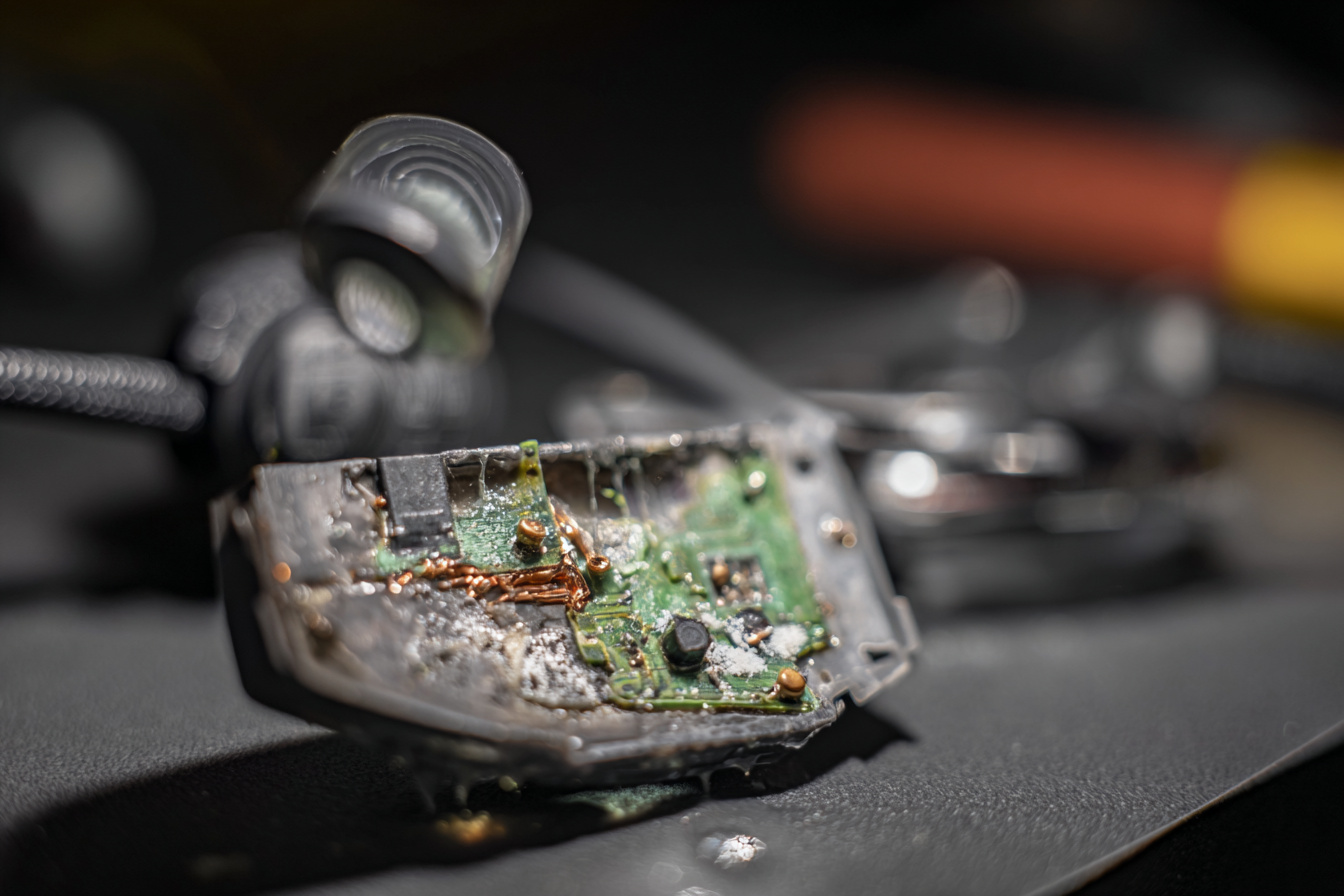
Water + heat + time. A small amount of water that sneaks in and sits inside a warm deck can corrode connectors and quietly damage a controller. It doesn’t always fail instantly. It fails two weeks later when you forget it ever got wet.
Real Scooters: What “Good Water Resistance” Looks Like
Some mainstream models explicitly publish IP ratings. Example: the Segway Ninebot MAX G2 lists IPX5 for the body and IPX7 for the battery pack — which is the kind of split rating we like to see because it tells you what was actually protected.
- Body rating (deck/controller area) — this is usually what dies first
- Battery pack rating (if provided) — helpful, but not the whole scooter
- Specific rating language (IPX5 body, IPX7 battery) — not vague “waterproof” marketing
Where Water Enters First (Workshop Reality)
If a scooter fails after water exposure, here are the usual entry points:
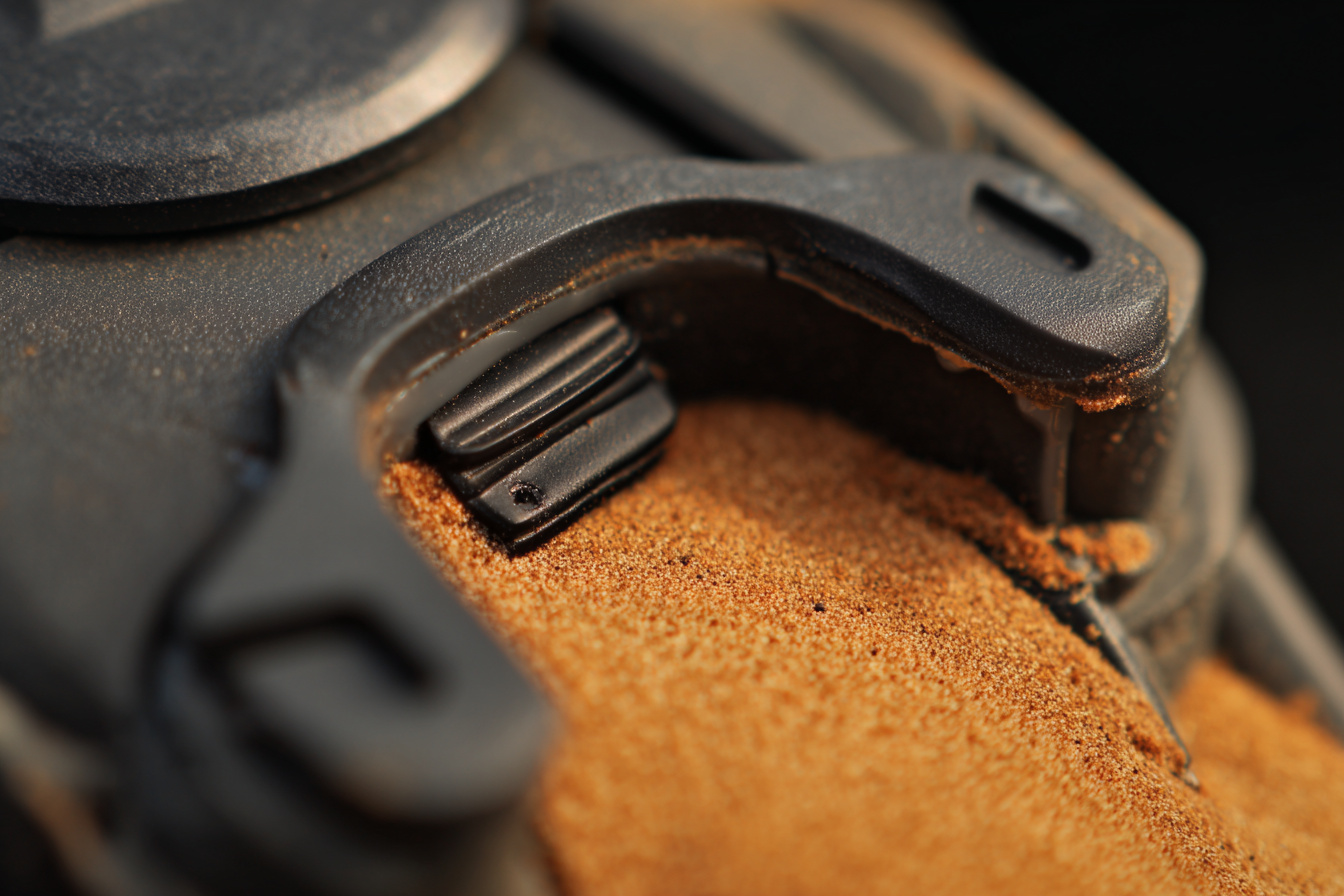
- Charging port (cap left open, cracked rubber, or cheap cap design)
- Deck seam / gasket (especially after impacts or DIY opening)
- Stem cable grommets (water runs down cables like a little river)
- Display/throttle module (common on budget scooters)
Water doesn’t need to splash directly into the deck. It can run down the stem, follow cable paths, and drip inside through a grommet. That’s why “I only rode through wet ground” can still become controller corrosion.
What To Do If Your Scooter Got Wet in Dubai
Here’s the no-drama protocol we tell customers (especially after puddles/flooded patches):
- Do not charge it until it’s fully dry (charging + moisture is how boards die)
- Wipe it down, especially around the charge port and deck seams
- Let it sit in a dry indoor space for 24–48 hours if it had real exposure
- If it cut out, beeps, throws errors, or throttle feels weird — stop riding and inspect
Don’t blast your scooter with a pressure washer. An IP rating is not a “car wash mode.” High-pressure spray finds gaps you didn’t know existed.
Buying Guide: What IP Rating Should UAE Riders Aim For?
IPX4 minimum for normal commuters.
IPX5 ideal if you park outside, ride daily, pass sprinklers, or want more margin.
IPX7 battery pack is a nice bonus — but only meaningful if the body/deck is also well sealed.
And here’s the bigger truth: build quality often matters as much as the number. A well-built IPX4 scooter with good seals can outlive a “IPX5” scooter from a brand that cuts corners on grommets and port covers.
If you’re choosing where to buy (and avoid grey-market warranty headaches): Electric Scooter Shop Dubai: 10 Stores Compared
If you want the “what fails and what it costs” side of water damage: E-Scooter Battery Replacement Dubai
Before you ride anywhere: zones + permit rules matter more than IP. Start here: E-Scooter License Dubai: Complete Guide
Yes, IP rating matters in the UAE. Not because it rains weekly — but because when wet happens here it’s often puddles, underpasses, sprinklers, and accidental immersion.
IPX4 is the minimum; IPX5 is the sweet spot for Dubai commuters who ride daily and park outdoors.
Never treat IP as flood permission. Avoid deep water completely. And never charge a scooter right after it got wet.
Before You Buy: 2-Minute IP Rating Checklist
- Confirm the rating is for the body/deck (not just “battery pack”)
- Prefer IPX5 if you park outdoors or pass sprinklers daily
- Check the charge port cover design (tight, durable, closes properly)
- Avoid “waterproof” claims with no IP number
- Plan your rainy-day rule: no underpasses, no deep puddles
- If it gets wet: do not charge for 24–48 hours
- Buy authorised UAE stock so warranty is real if something goes wrong